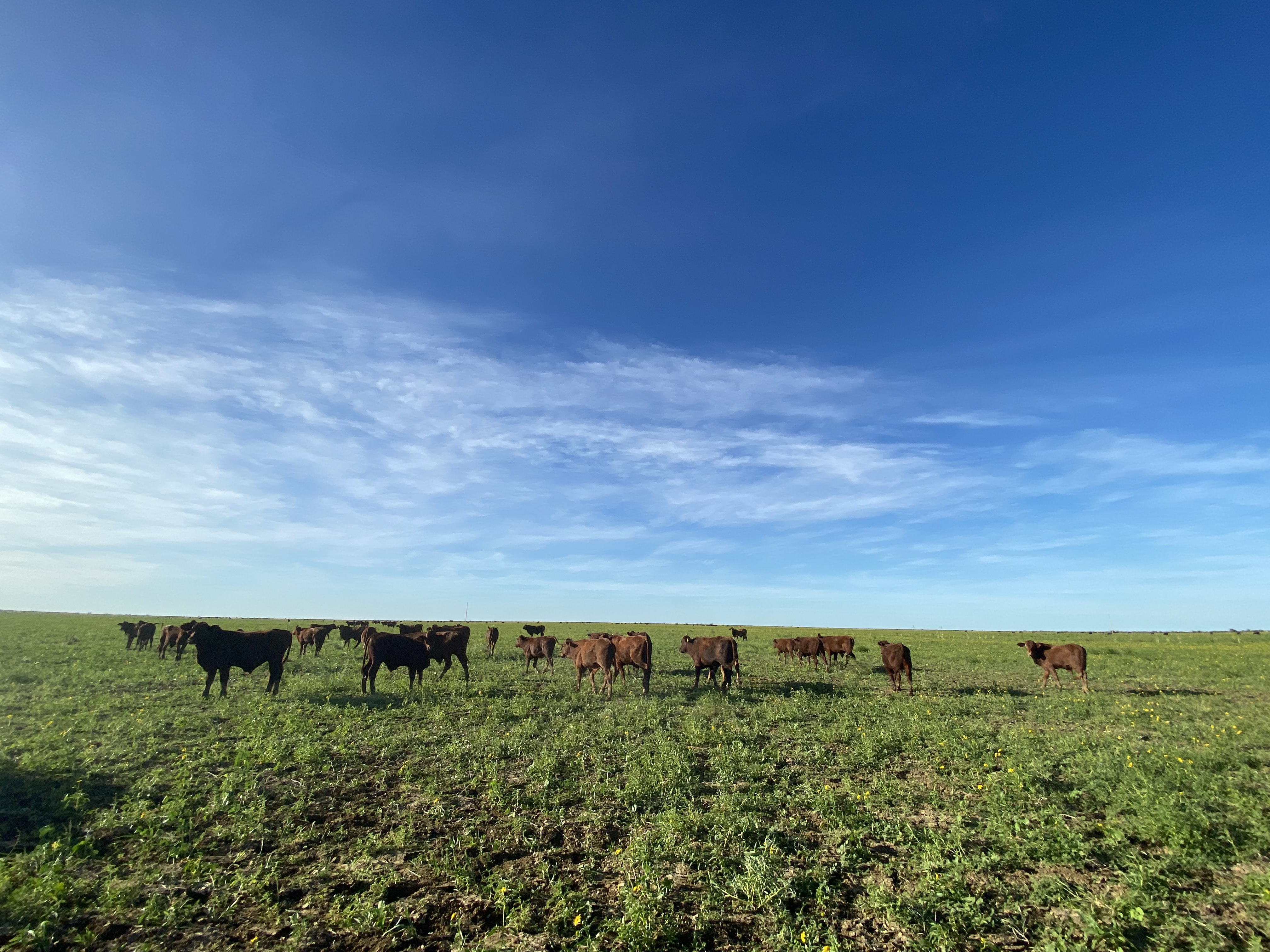
In May 2022, we headed to Australia on a working holiday visa (WHV). When we first arrived, covid restrictions had only just begun to lift and getting into the country involved a stream of paperwork, PCR tests, visas and more PCR tests. Because of this, we went with an agency based in Queensland (QLD) which provided a comprehensive list of every last bit of bureaucracy to tick off before being granted access. This agency also guaranteed us a job in Australia and provided basic training on how to survive on a farm in the outback.
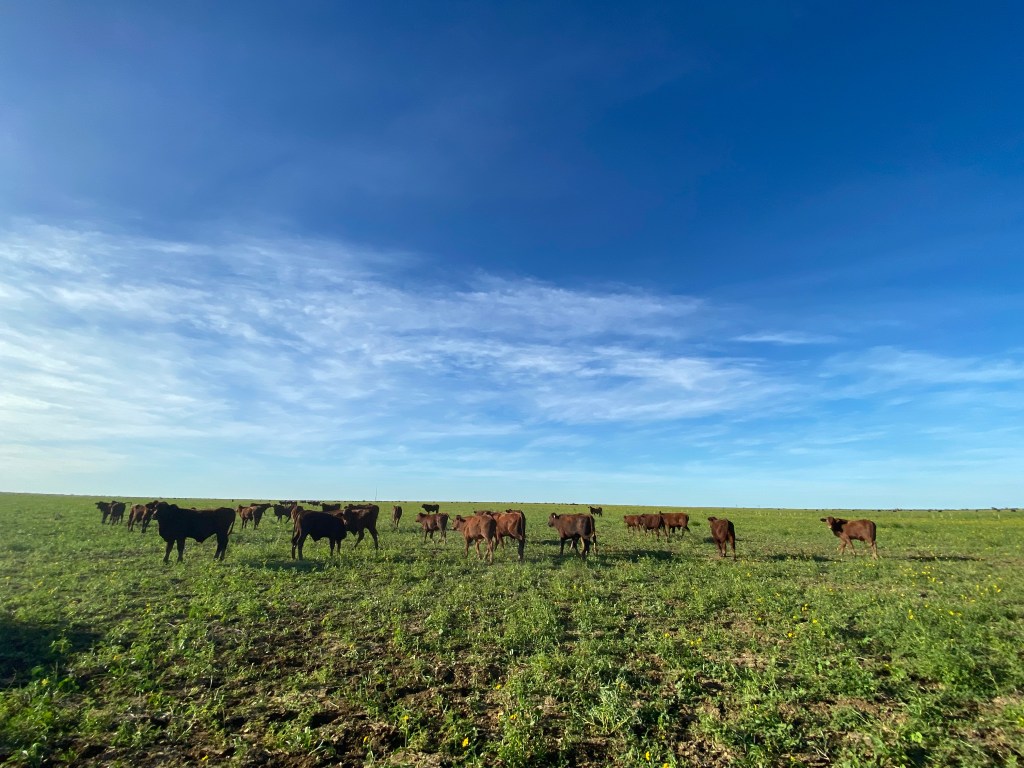
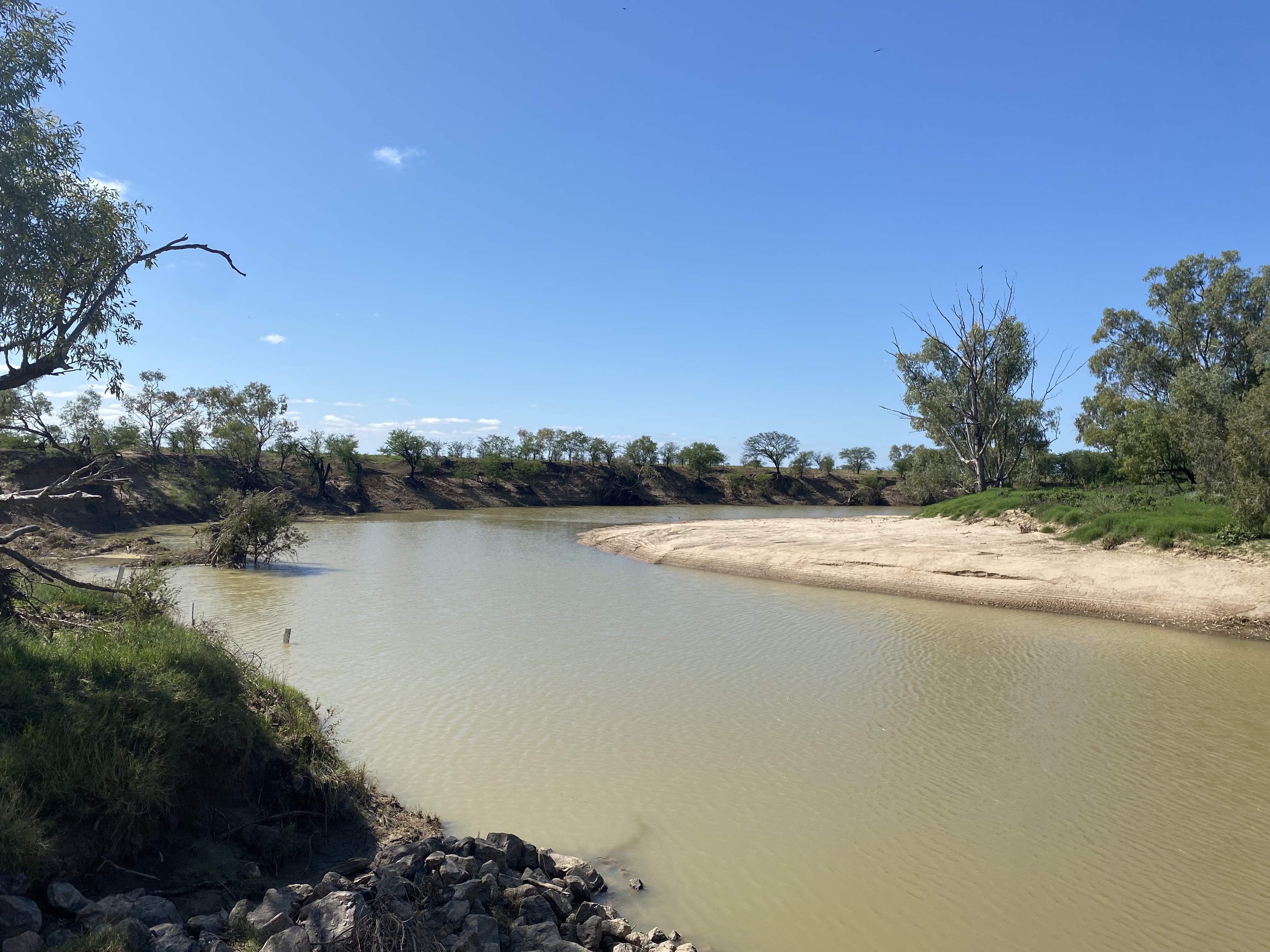
Our chosen role was on a 200’000 hectare cattle station near Julia Creek, Central QLD, a 7 hour drive inland from Townsville. In total, we stayed in the job for roughly two months, and in that time we learned a lot about outback station life, and had a chance to explore a good chunk of central QLD.
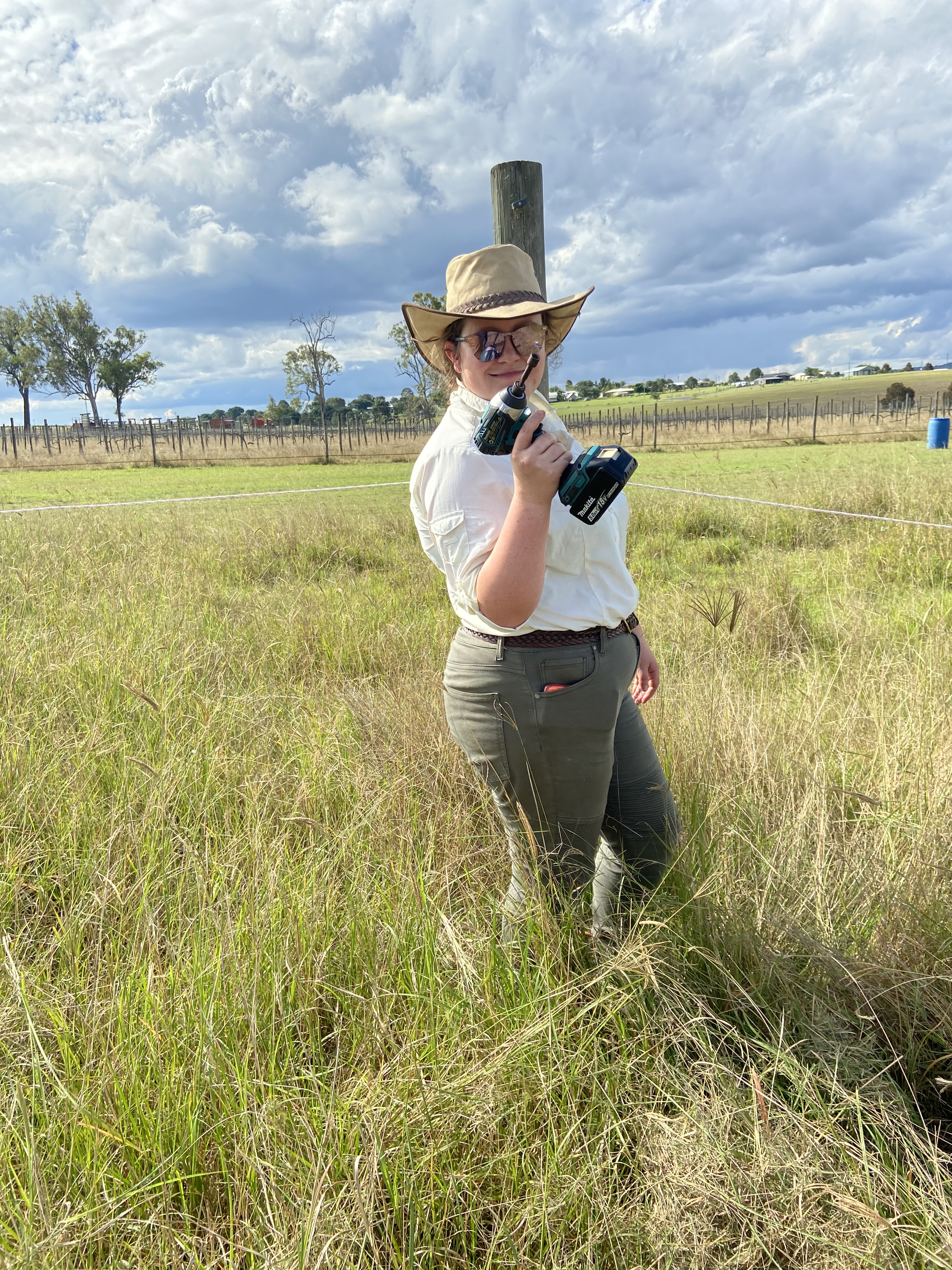
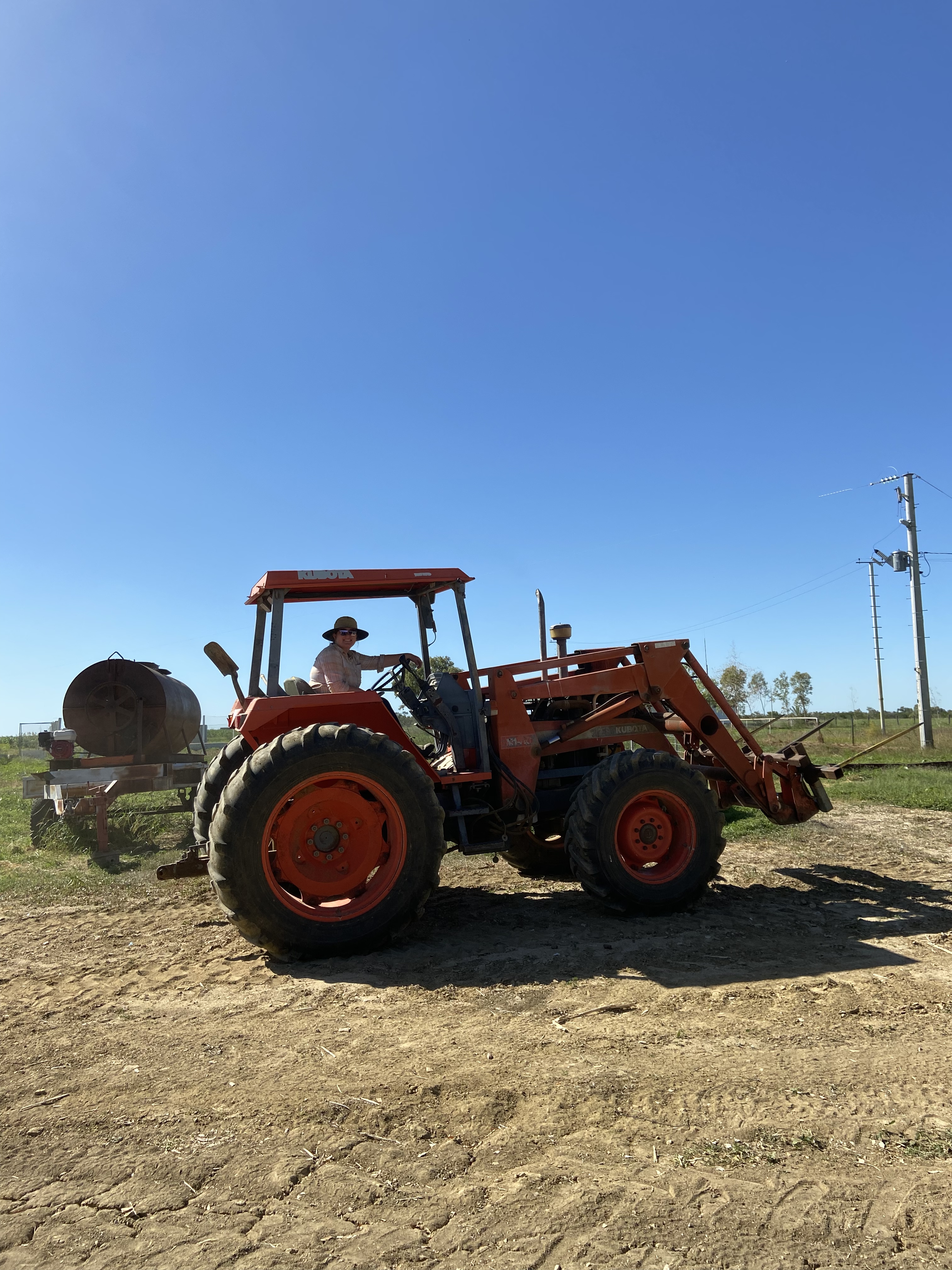
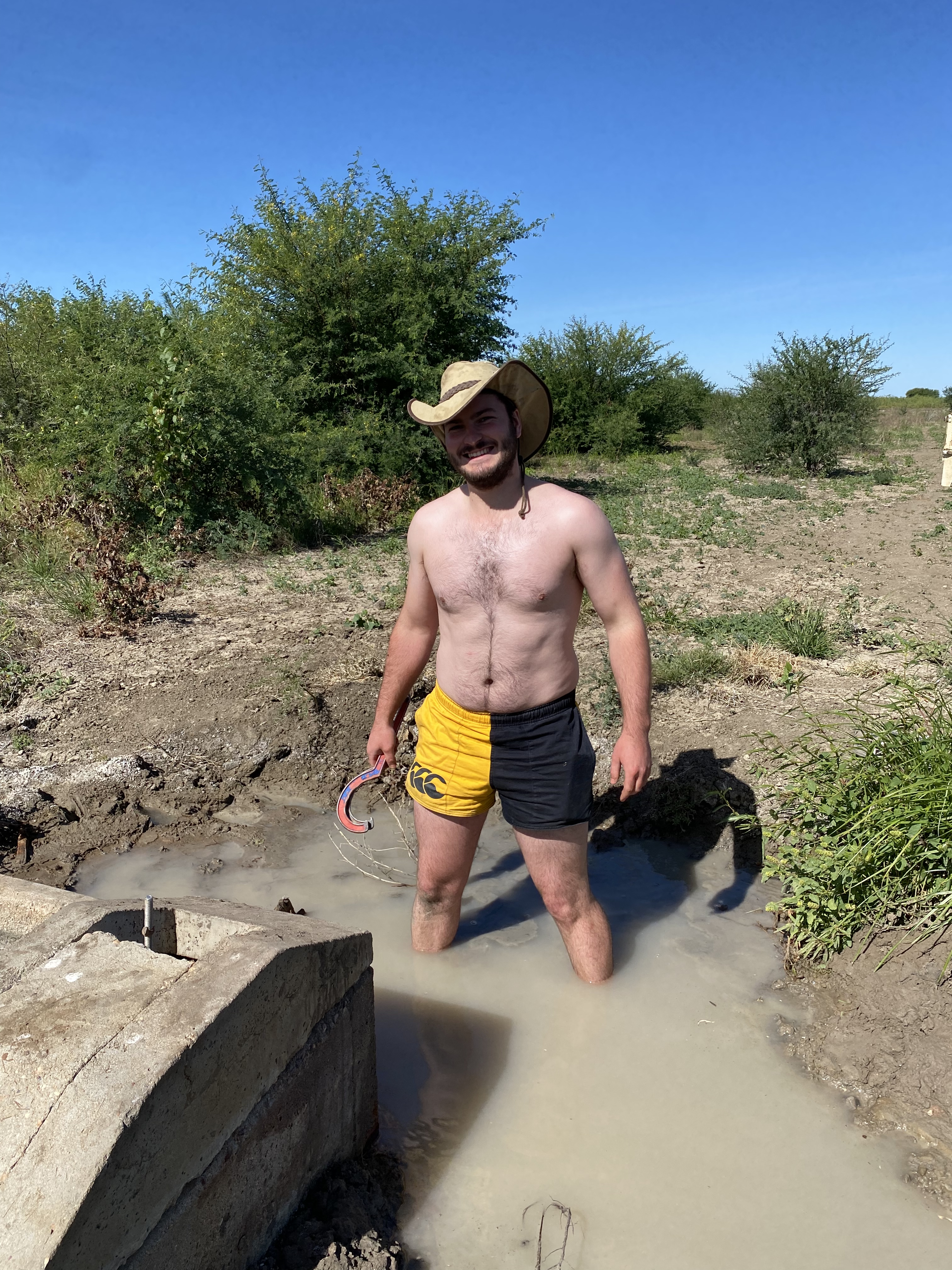
The job was very varied and duties included general stock work (such as making sure all 11’000 cattle had access to feed and fresh water), maintenance and repairs of water lines, tractor work, general yard duties, gardening and mustering cattle. After a bit of training, we were given a good deal of autonomy, and we were let loose driving 4x4s in the outback hours away from civilisation and getting paid for the pleasure! We also had a chance to muster 700 weaker cattle on motorbike and process large numbers of cattle through Australian cattle yards, which is an experience unique to Australia.
In our free time, we had access to a ‘ute’ ( Aussie for pick up) to explore the Julia Creek and Richmond area. Highlights included the Richmond Dinosaur museum, the punch bowl, fossil hunting around the area, and attending the Richmond field days.
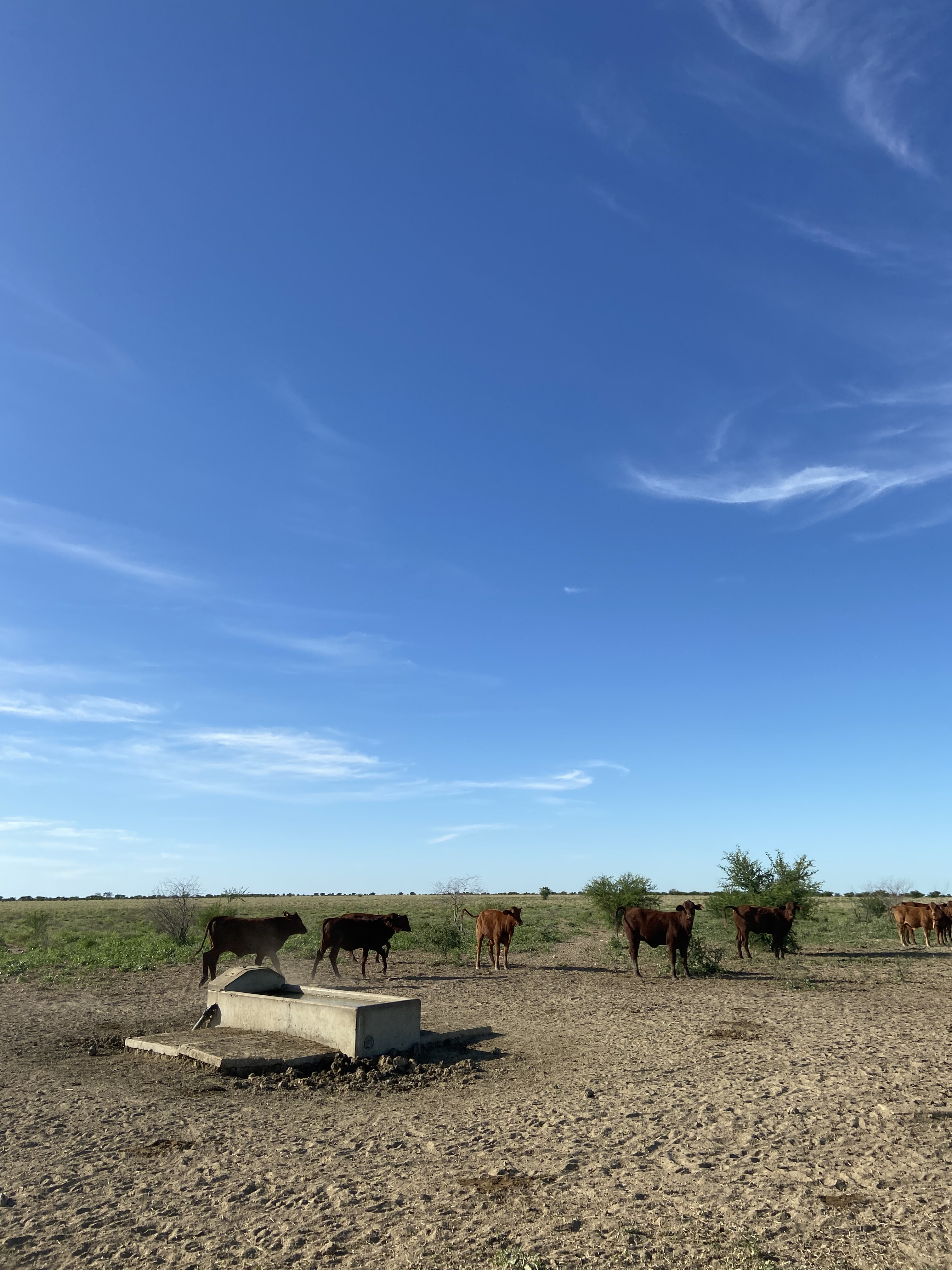
High Points:
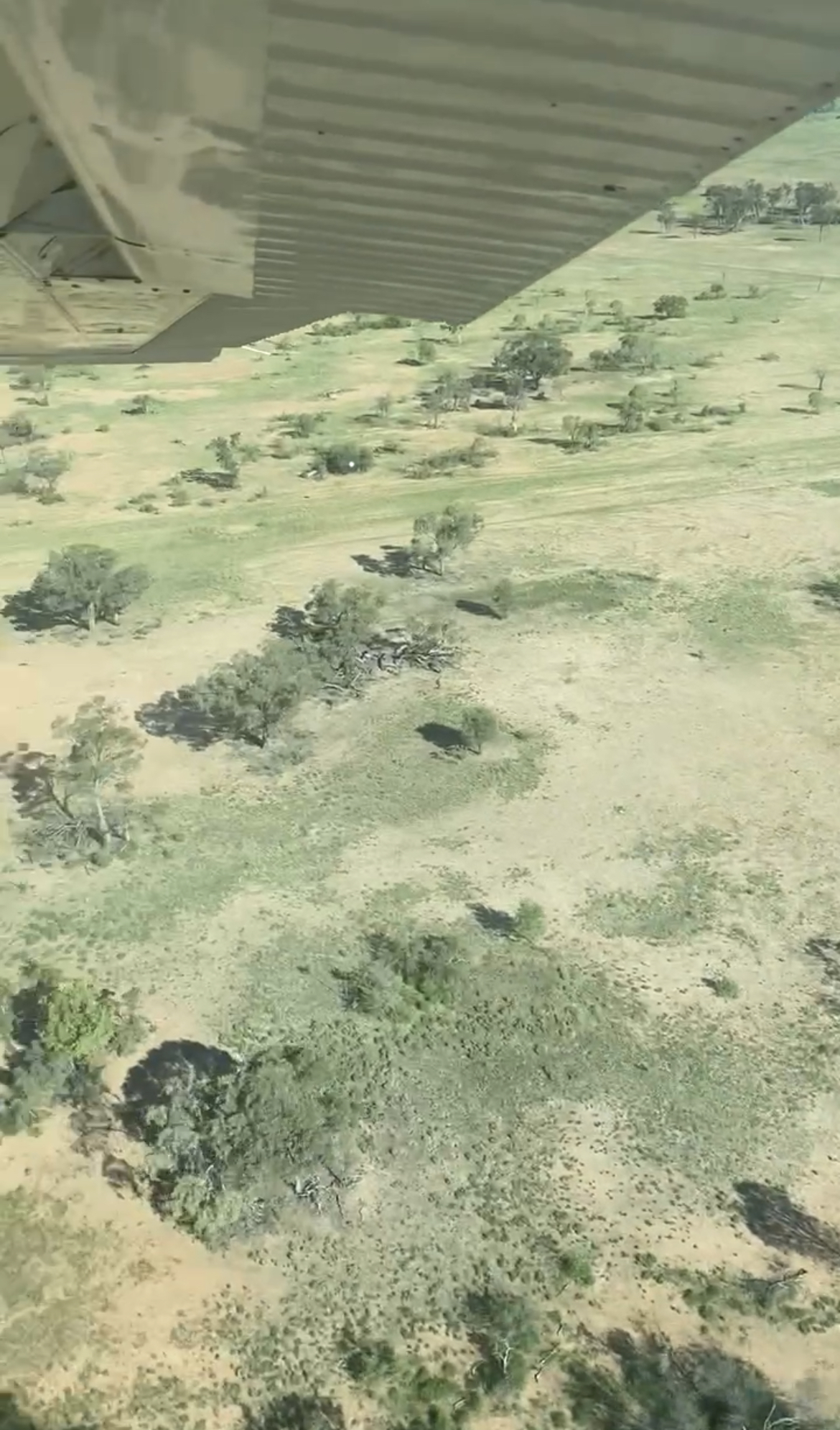
- Unique and unforgettable experiences- we had the opportunity to ride in the boss’s airplane, muster cattle on motorbikes, drive 4x4s and utes in the outback and with massive numbers of cattle, and many more experiences only available in Aus!
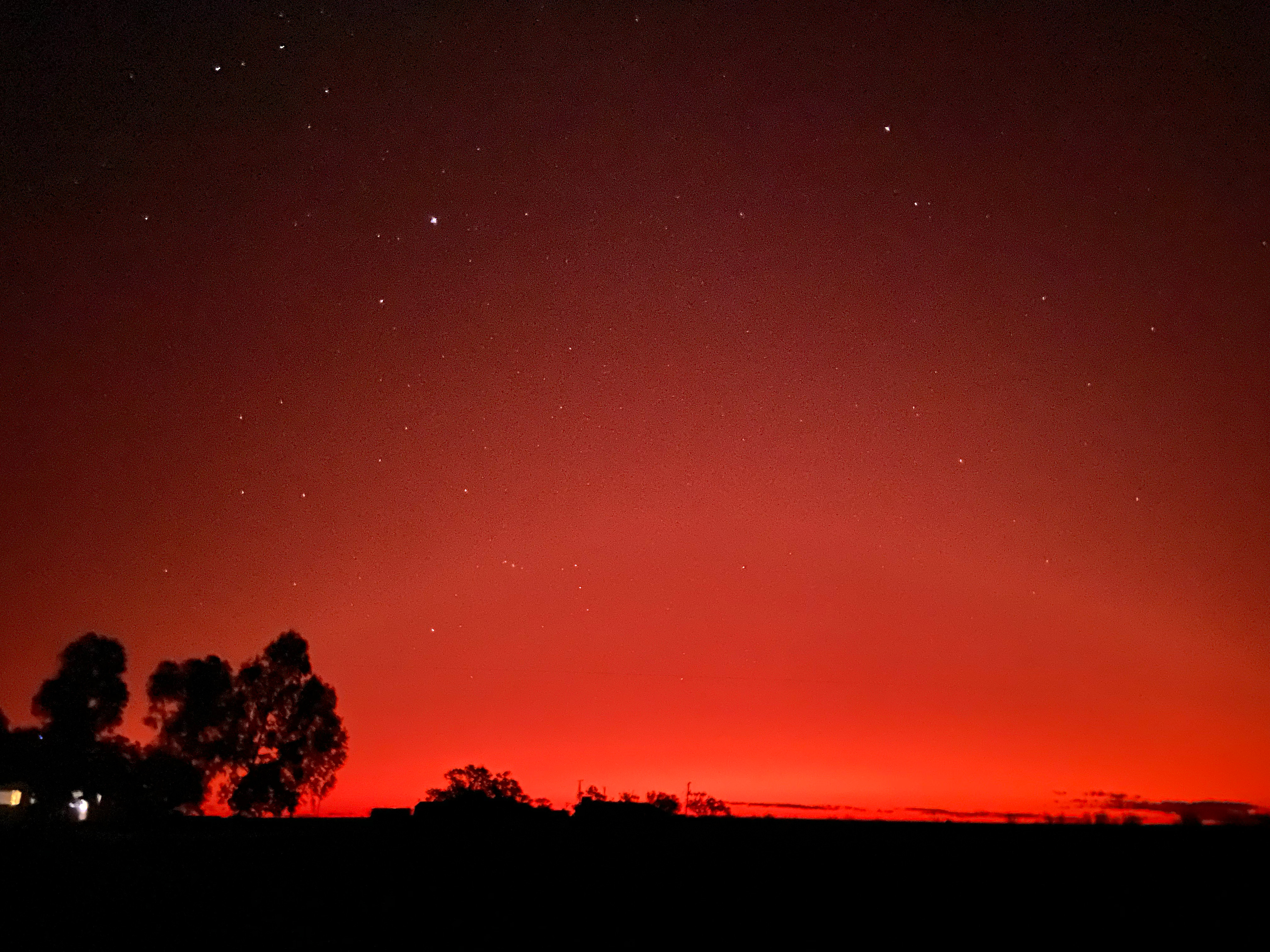
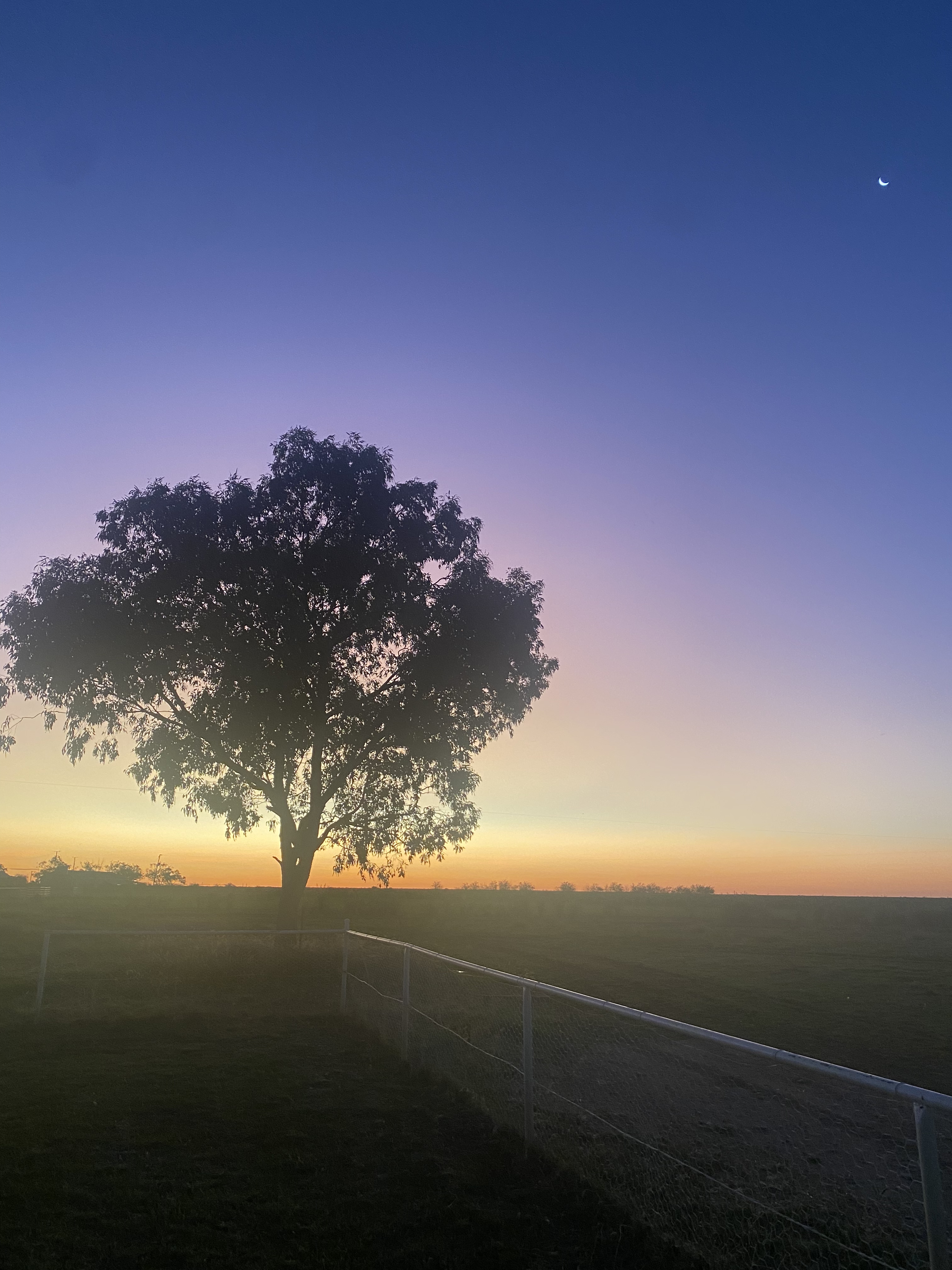
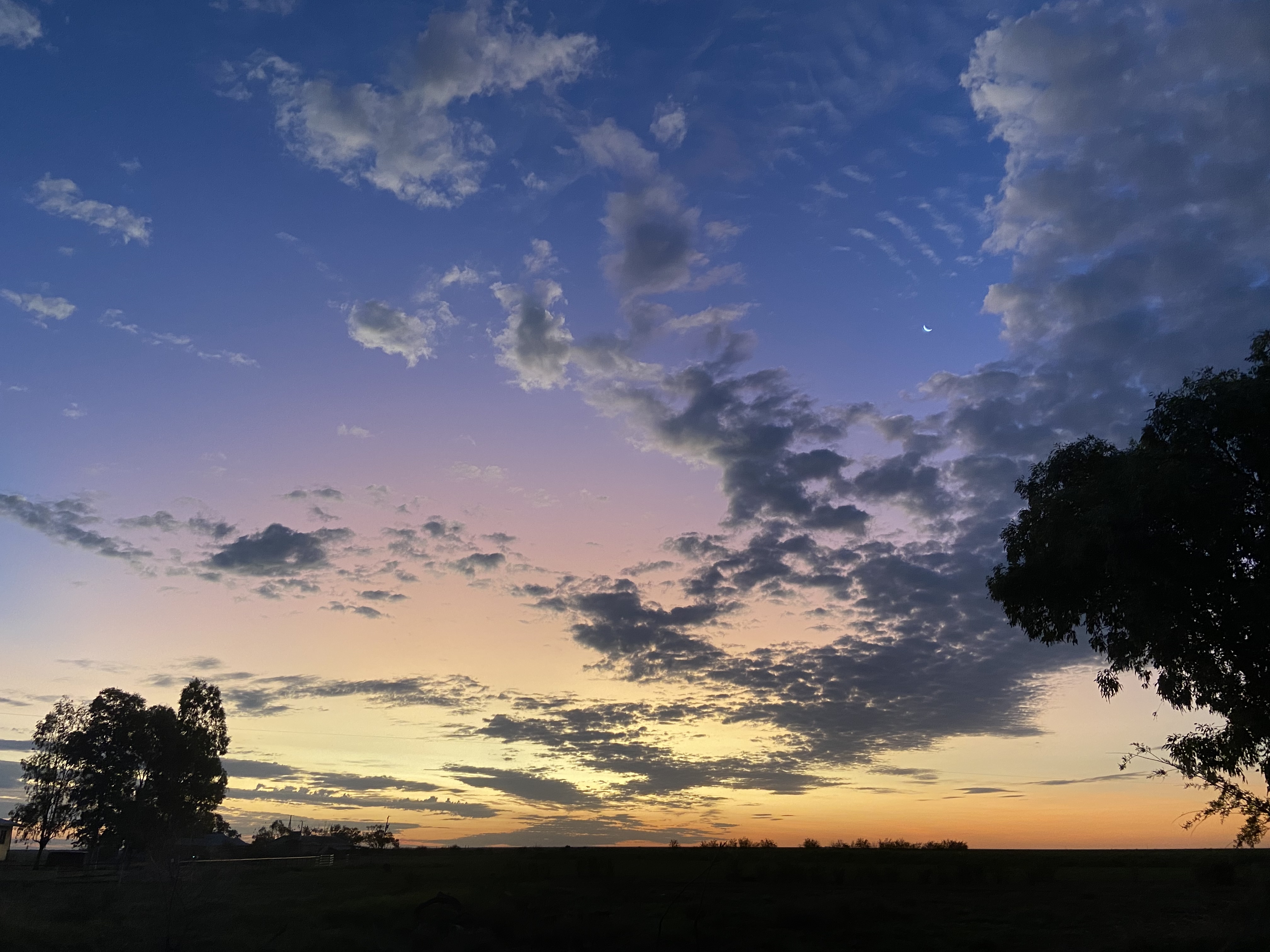
- The sky- sunrises, sunsets and the stars at night in this part of QLD are unlike anywhere else in the world. Flat horizons and blue skies are part of everyday life in the outback.
- Richmond field days- cattle sales, lawnmower races, obstacle courses, fashions shows, vendor stand and more; this was a great experience and a fantastic insight into outback life and culture.
- Easy to save money- we were paid award wage ($21 per hour for a 35 hour week), and had all food, bills and accommodation included in our package. As the closest town was over an hour away, we didn’t spend a lot of money so everything we earned went straight to savings.
- Car included- it is very important when looking for an outback job to ensure that you have transport. Nothing is in walking distance and there is no public transport! We had free access to one of the farm utes and only paid for the fuel we used in our free time.
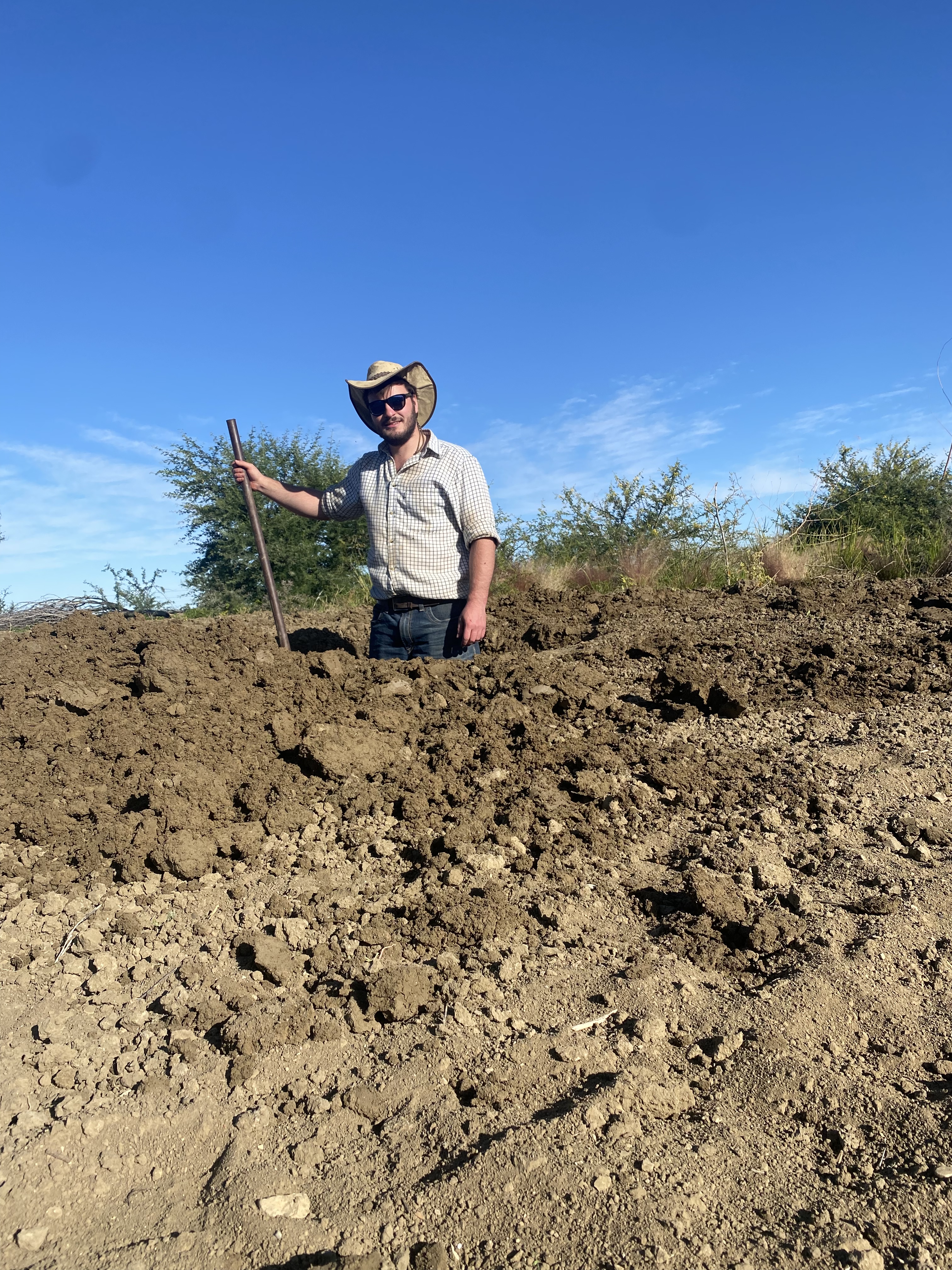
- Learned new skills- we learned a lot about plumbing, stock work and outback navigation. These skills will definitely come in handy at some point in our careers.
Low points:
- No social scene- the station we worked on was supported by a very small team who enjoyed their own space. While this may be a postive for some people, we missed socialising, and would have like to have gone to a few BBQs or had a few beers with neighbours and other staff.
- Insular views- there’s no easy way to put this: we found casual homophobic remarks and backwards views were common in this part of QLD. The racism however is not casual. Our boss was incredibly racist, and this was a large contributing factor to our departure.
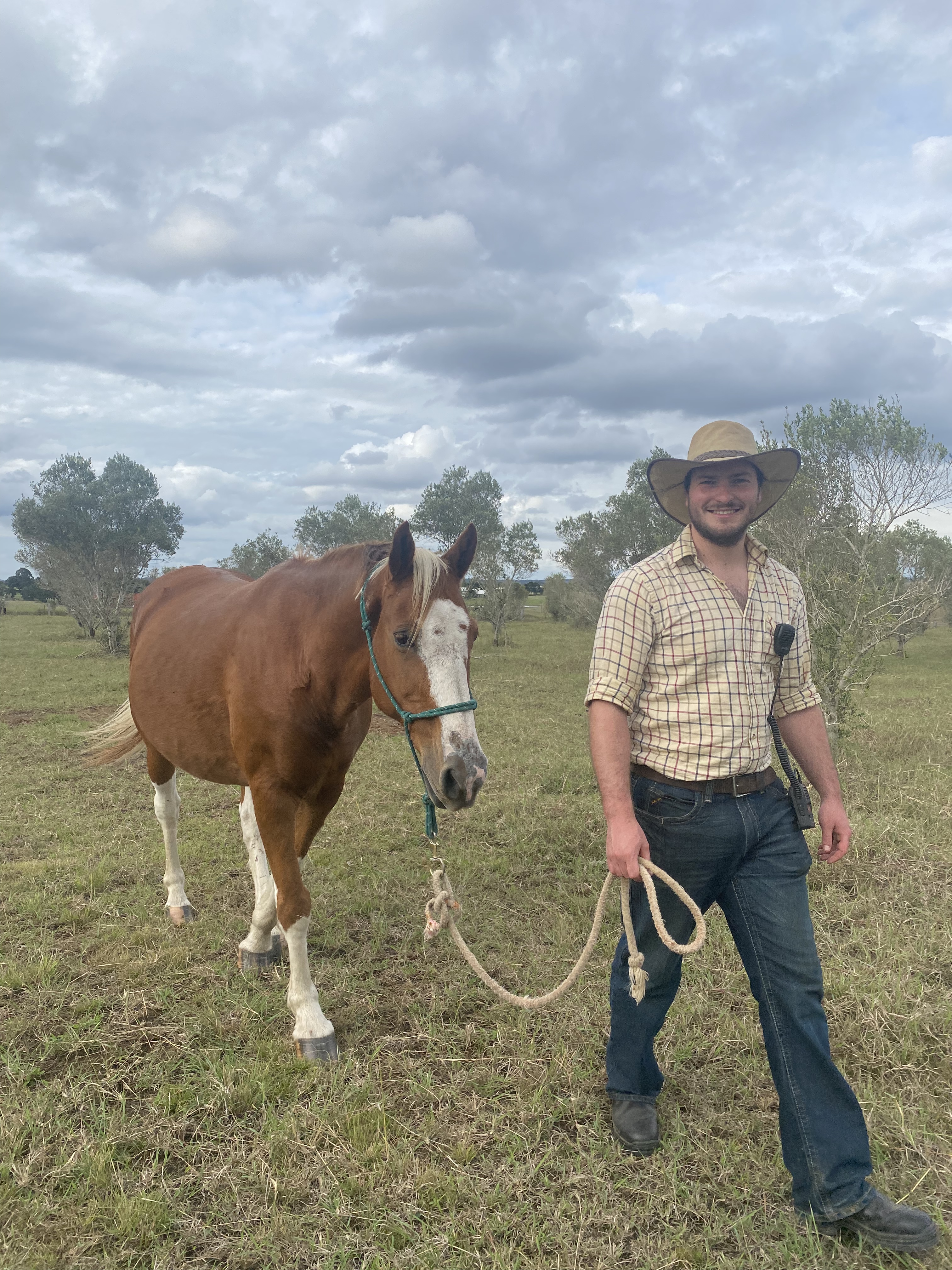
- Over promising- when applying for the job, we were told that we would be given the chance to muster on horseback, along with a few other promises about opportunities in work and a bustling social scene, which turned out to be false.
Overall, we had a great time on the station, and learned a lot about cattle work and Australian culture. Our advice would be to properly vet employers at the interview stage, and don’t be afraid to ask hard hitting questions. If the social scene, workload or accommodation do not meet your expectations or your values don’t align with the people around you, you’ll find yourself a long way from civilisation and can feel very trapped and lonely. The outback is unique to Australia, and we would recommend that anyone working in the country dusts off their Blundstones and suncream, and experiences those wide open spaces and welcoming communities.


 The Gap Life