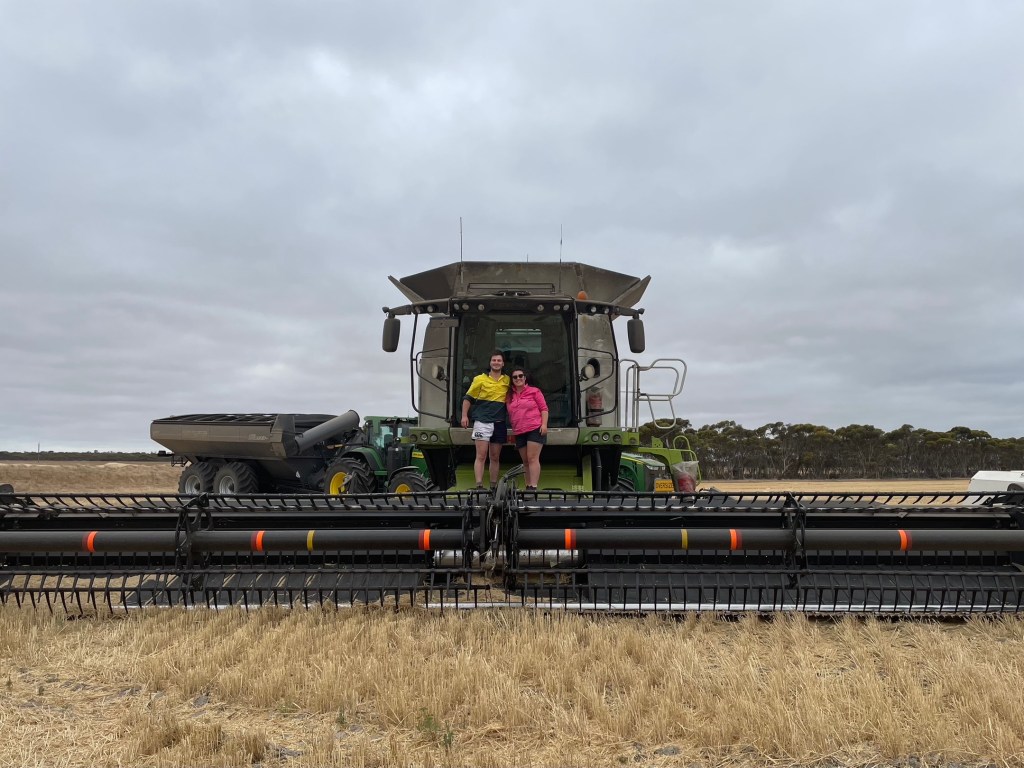
In mid October 2022 we drove from Kerang (VIC) to Ravensthorpe (WA), completing the Great Ocean Road and the Nullarbor, before arriving at our arable harvest job. We had found this job through word of mouth when we were working on a station in Outback Queensland, and upon speaking to one of the bosses on the phone we realised we had a mutual friend from England who vouched for us.
When we applied for the job, we were told that two of the three bosses were women, and the foreman was a woman so we should only take the job if we were comfortable taking orders from women. This of course was not a problem, and Daisie was very excited to work with female bosses after her career in UK agriculture had thus far been dominated by male bosses. We were also told that we would be expected to be flexible in our roles and have a go at every different job on the farm, which was also not a problem and we were looking forwards to the variety.
The package was $30 per hour plus Super but we would be “put up to $35 per hour after a couple of weeks once we’d proved ourselves”. We also had accommodation and bills included, and meals included when we were busy. For reference, $35-$40 per hour and meals and accommodation included is standard for a harvest job in Aus, so we were on the low end of the pay scale but we took a chance because the people sounded nice. The accommodation was very pleasant and we had plenty of space; the best accommodation we’d had so far in Aus. It soon became clear we were going to get on well with the foreman on the farm, as they were bubbly, funny and very hard working. Within a couple of weeks our new room mate and colleague arrived too. They had been travelling for over a year and had lots of great insights and stories and we are so pleased we spent summer with them.
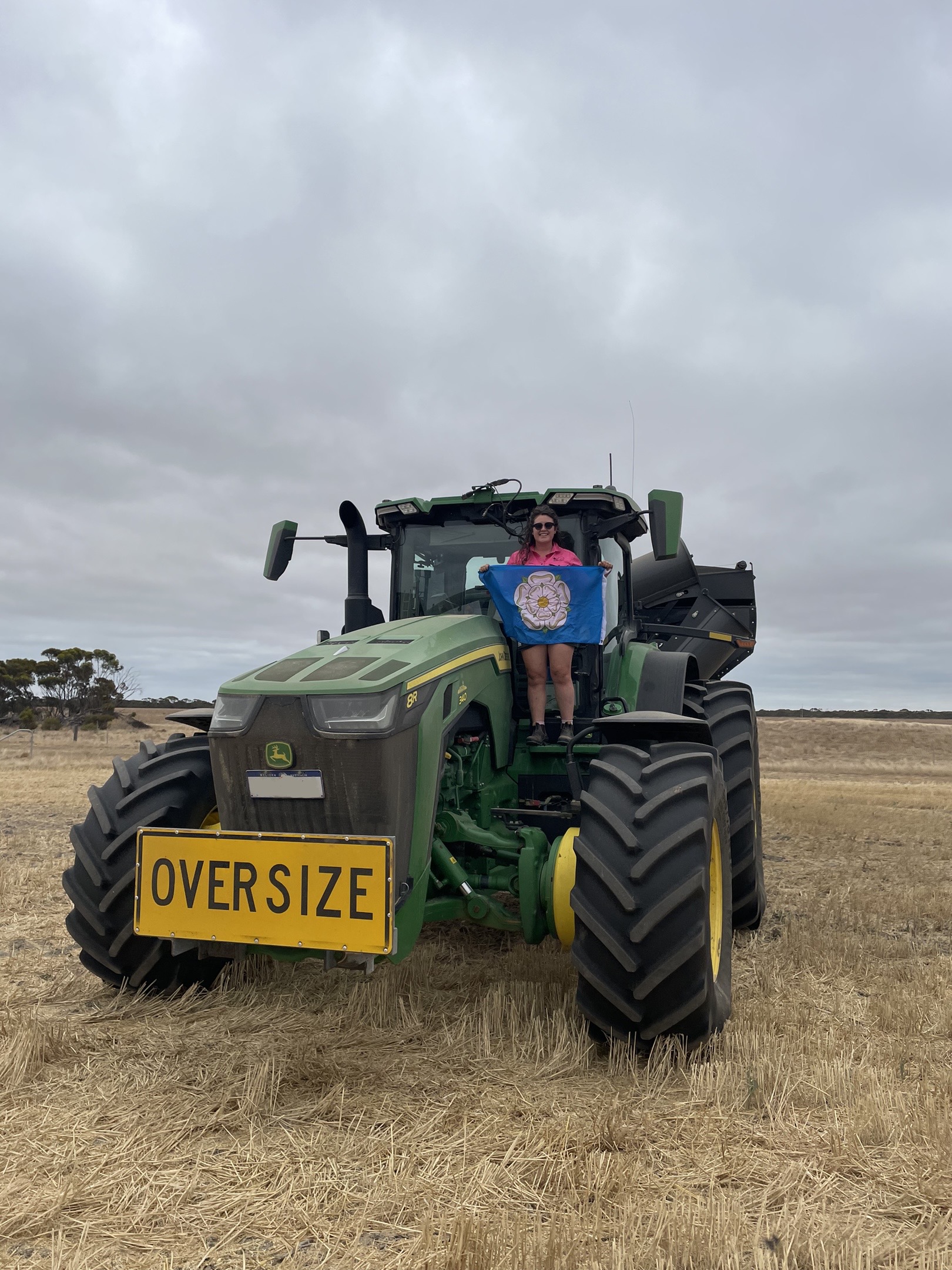
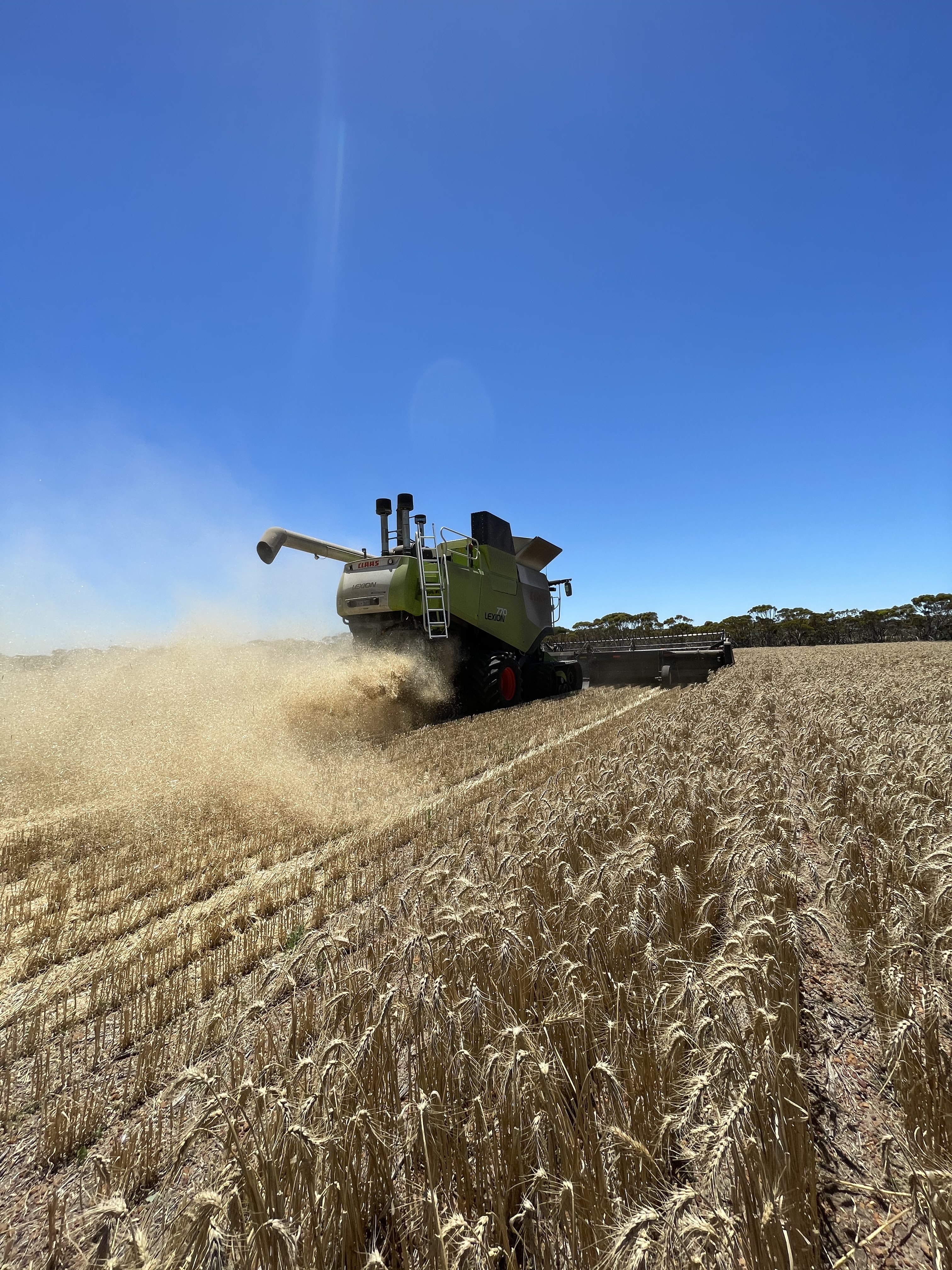
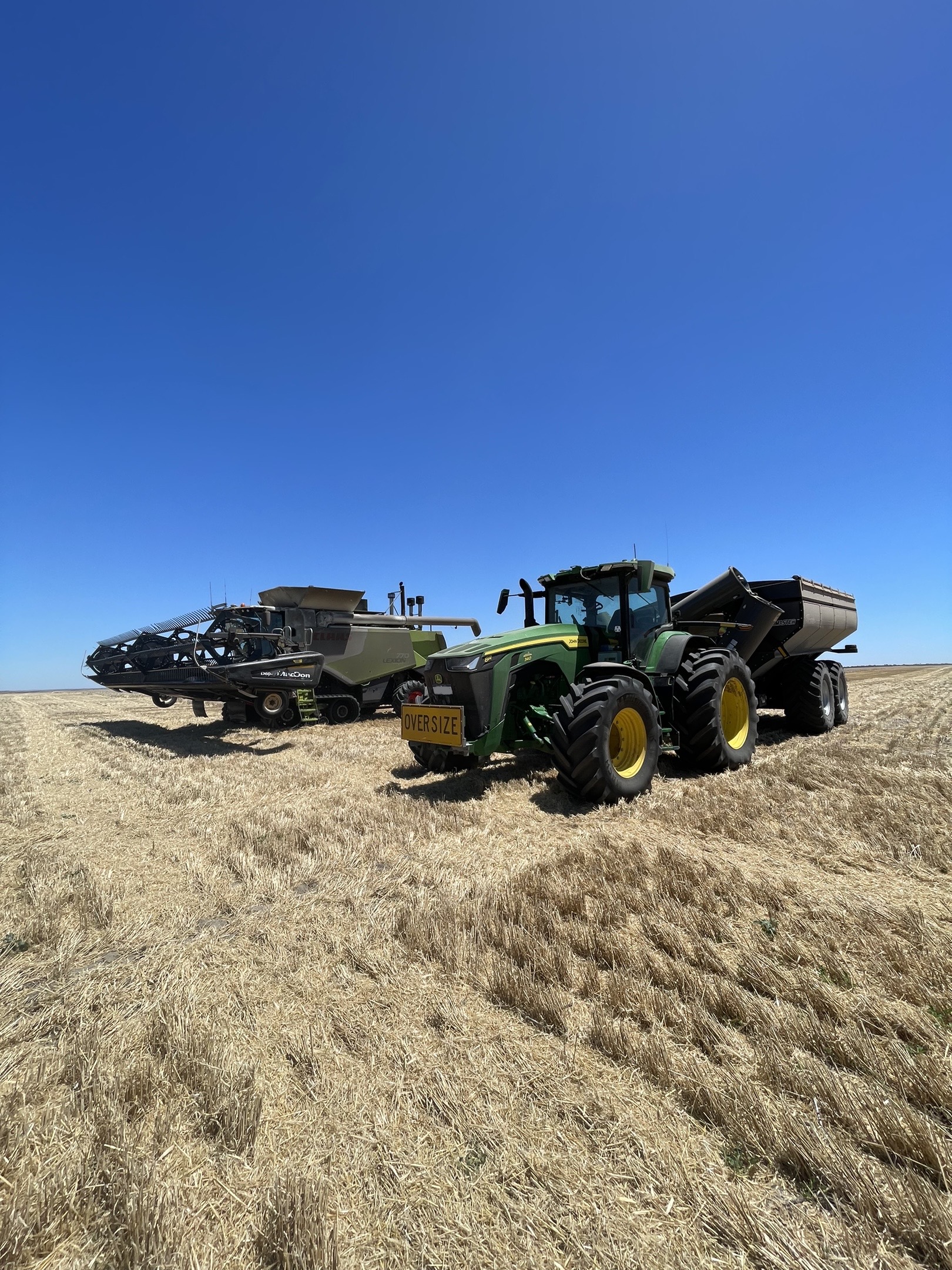
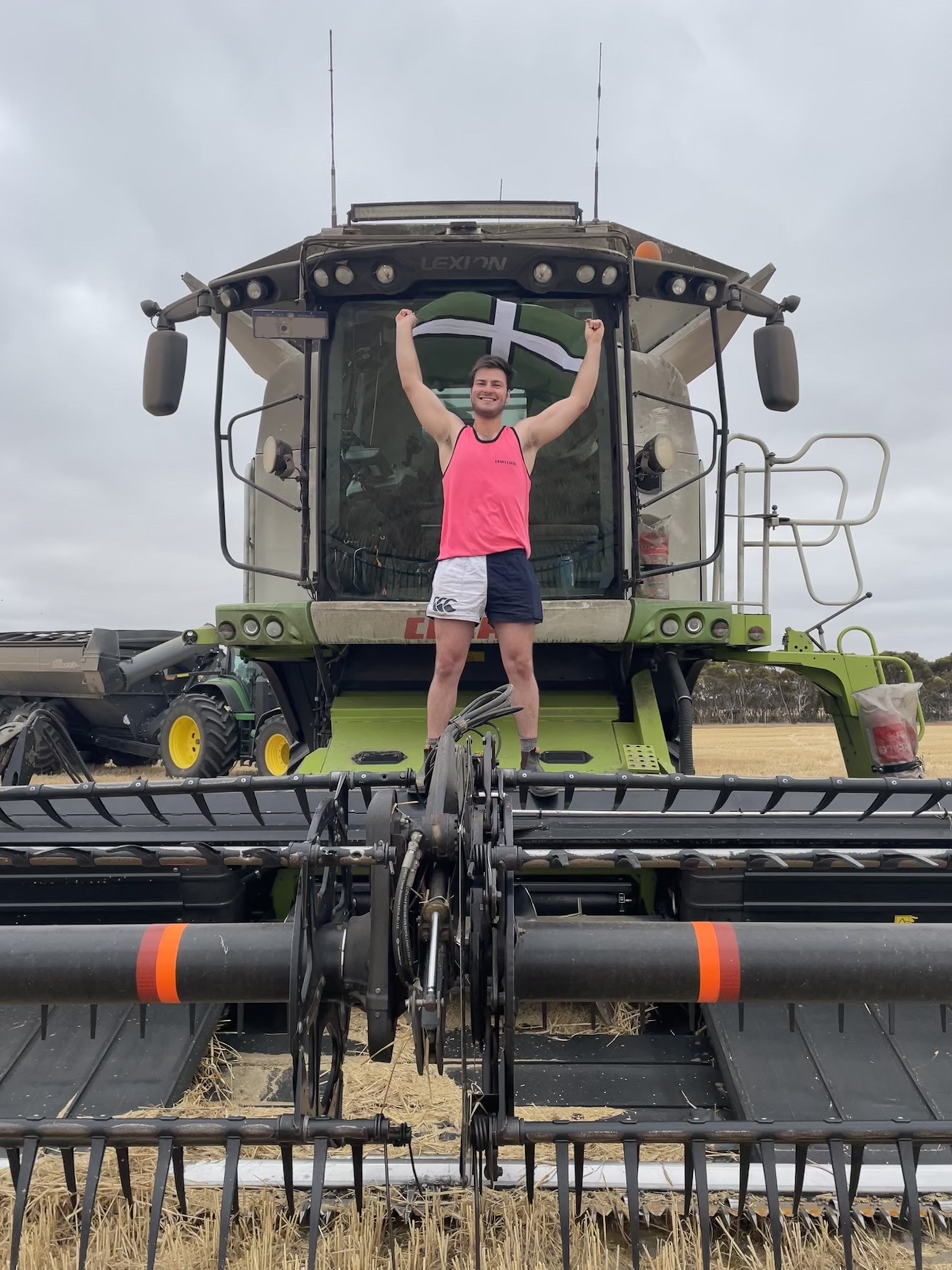
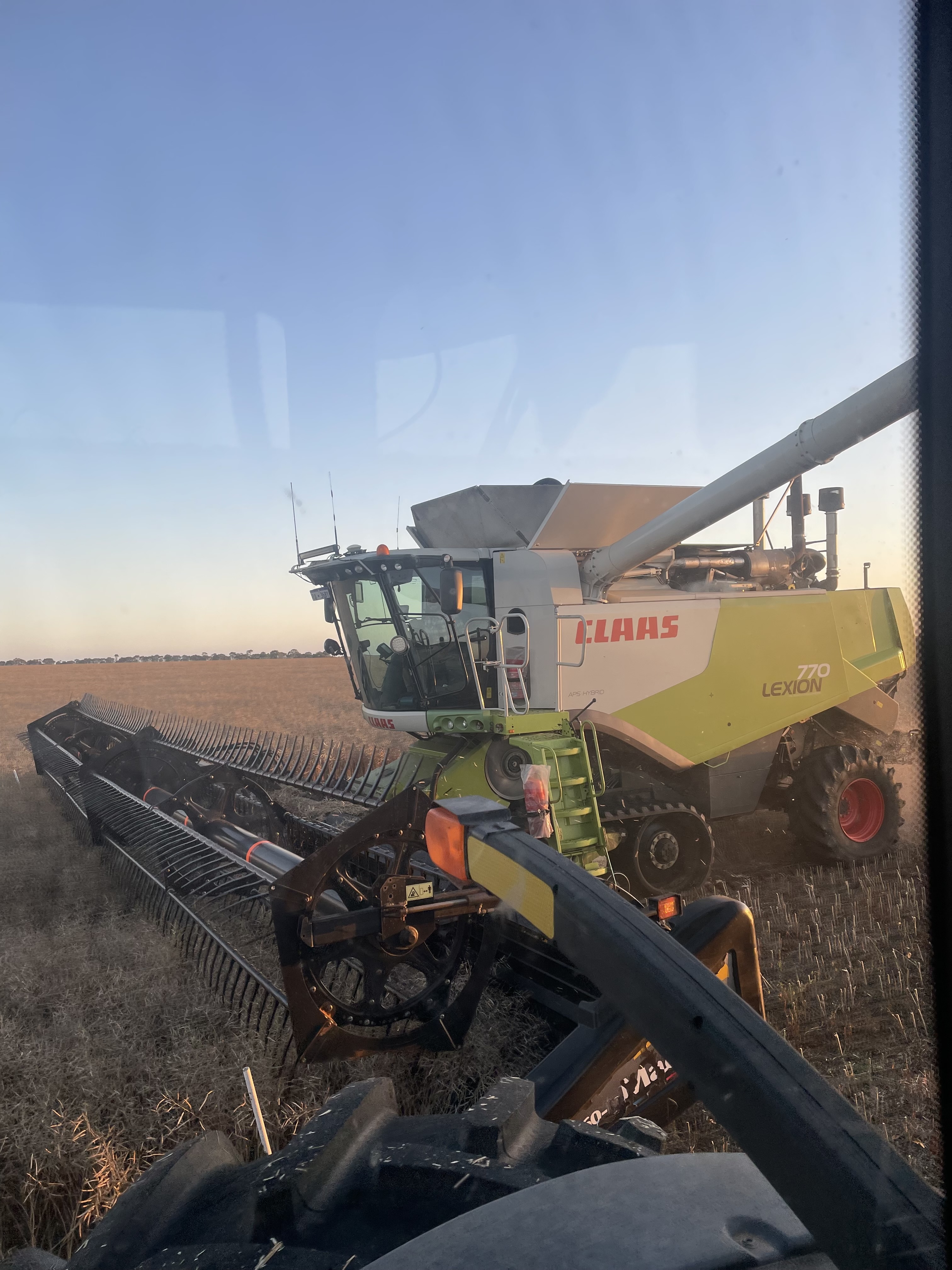
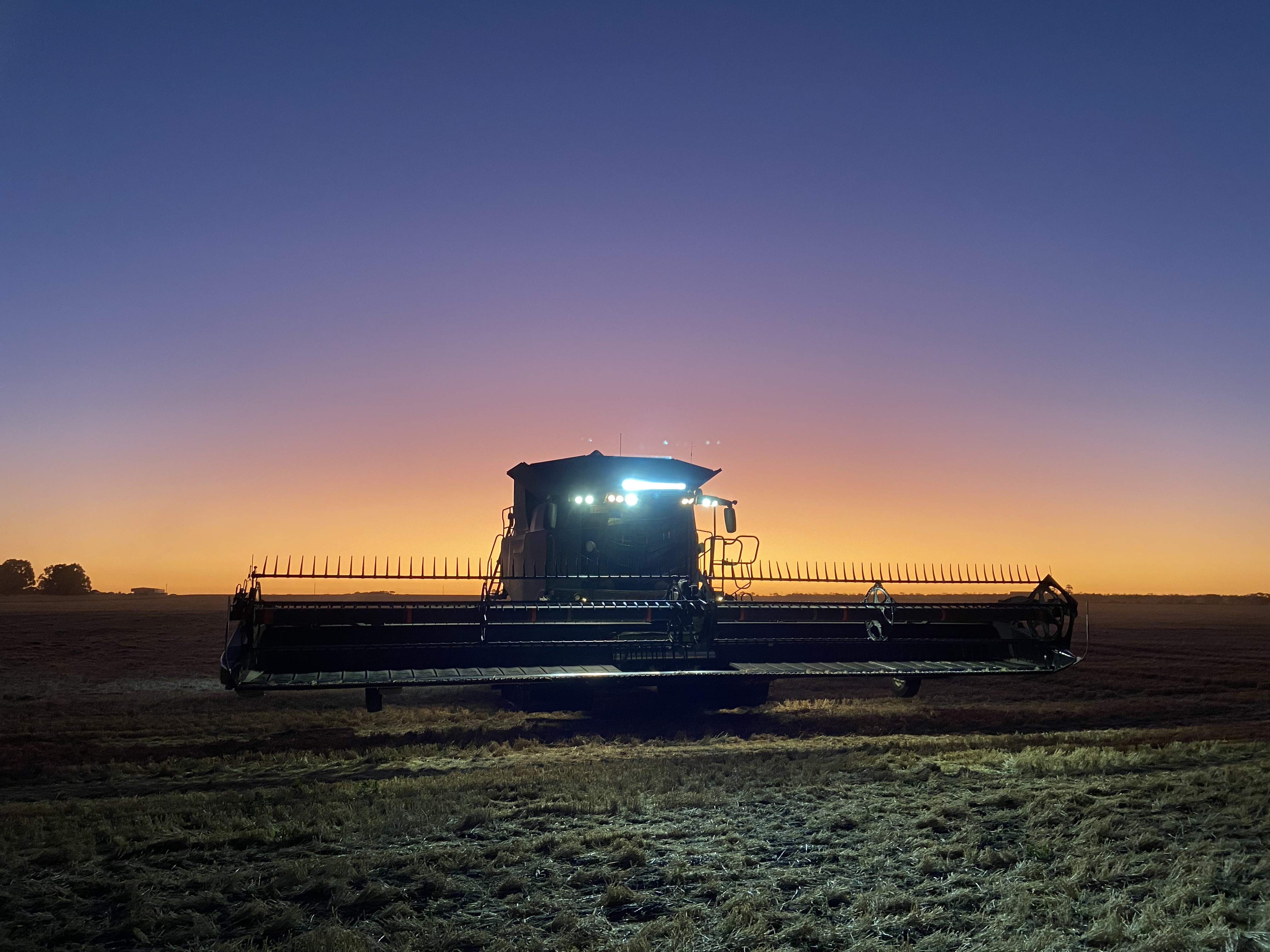
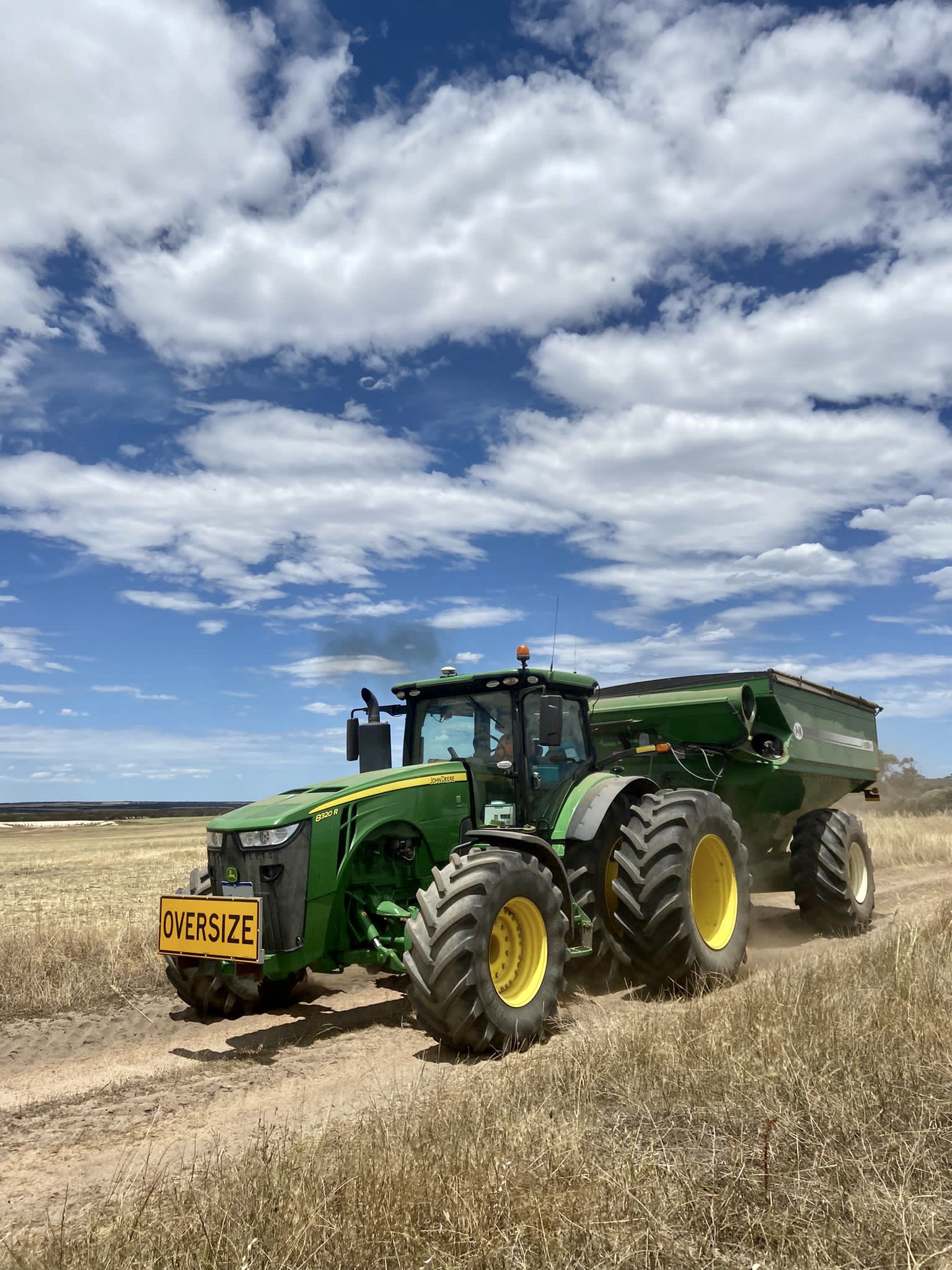
The business comprised 3500ha, spread over five parcels of land, and grew mainly Oilseed Rape (OSR), Wheat, and Barley, with a few hectares of beans and lupins. They were running two Claas combines (a Lexion 770 with a 12m MacDon front, and a Lexion 780 with a 12.5m Convio front), a John Deere 8320R with a 24T chaser bin, and a John Deere 8340R with a 32T chaser bin.
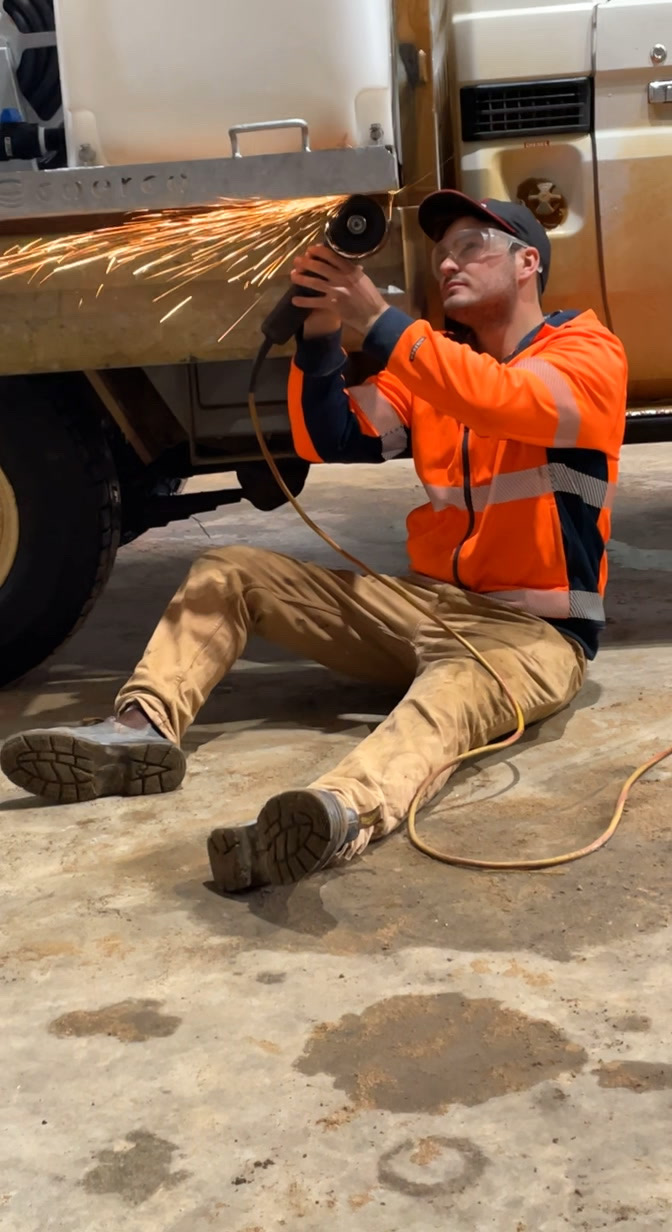
Spring of 2022 was unseasonably wet. In fact, we were supposed to start harvest in October but didn’t start cutting until 14th November, one month after we arrived at the farm. We were kept busy with servicing and repairing machinery, and doing odd jobs and tidying around the yard and workshop. The result of the wet spring, however, was that Western Australia recorded record-breaking yields (around 3.5t/ha of wheat compared to an average of around 2t/ha). We didn’t know it yet, but we were in for a long harvest.
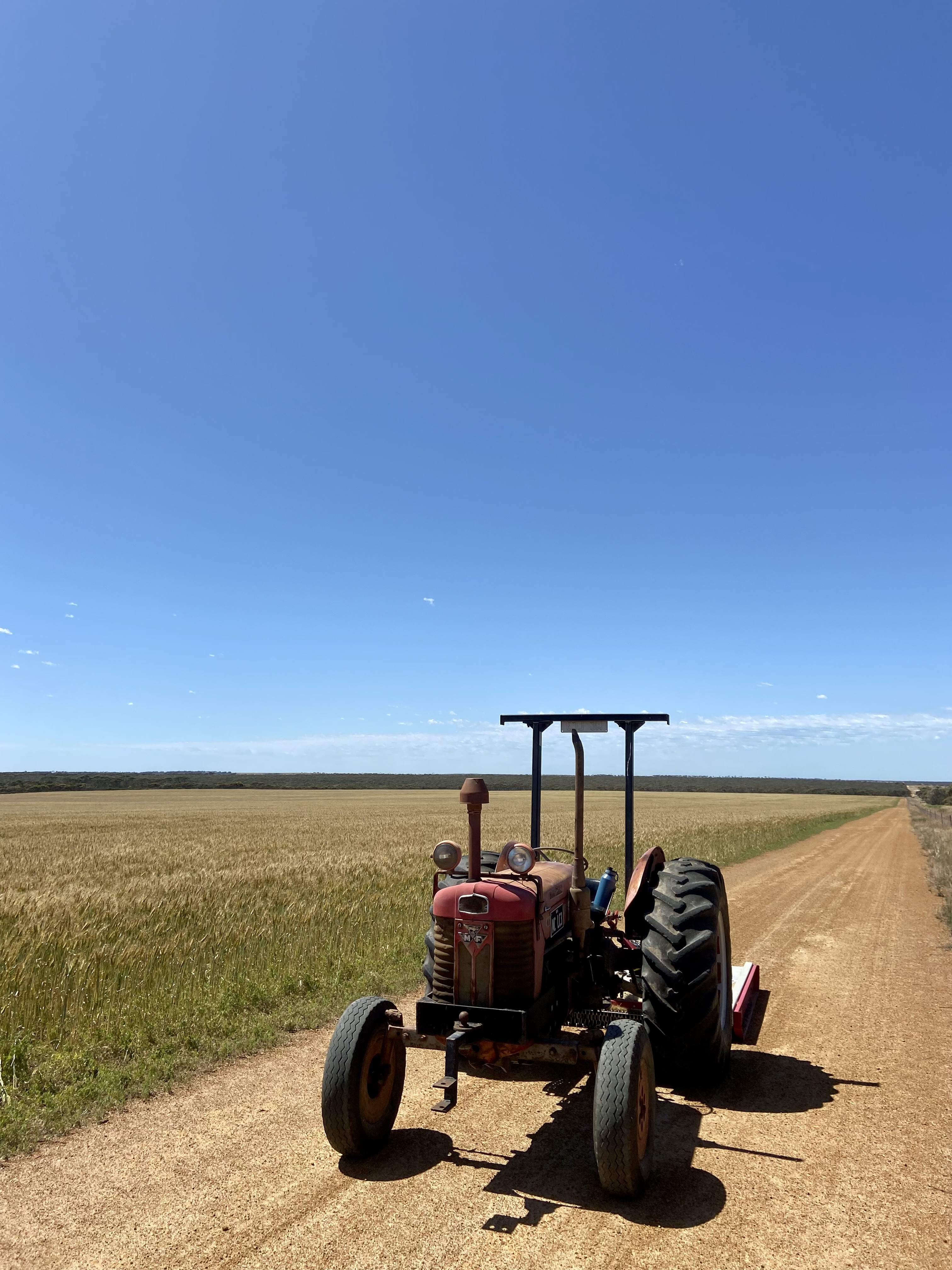
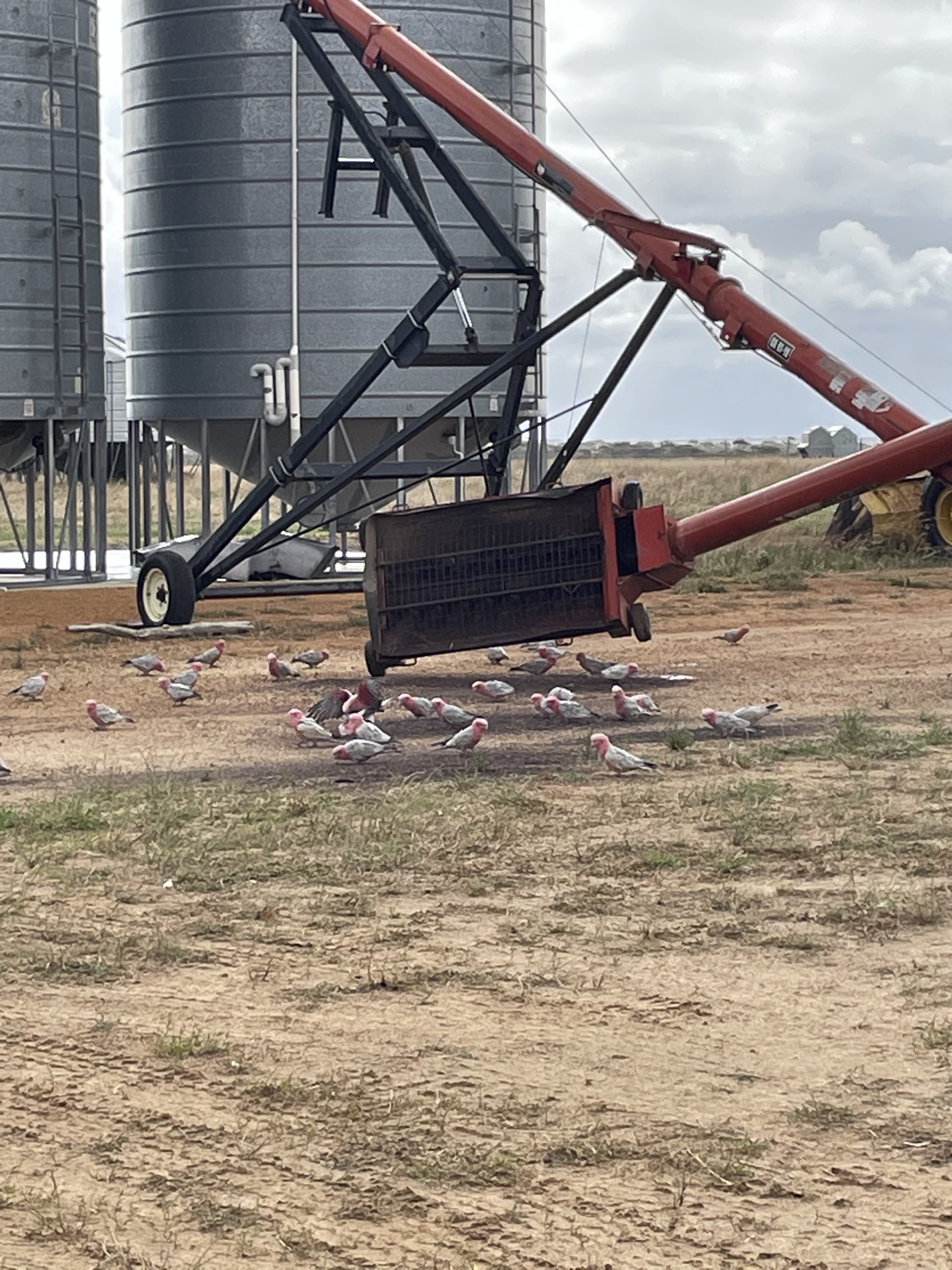
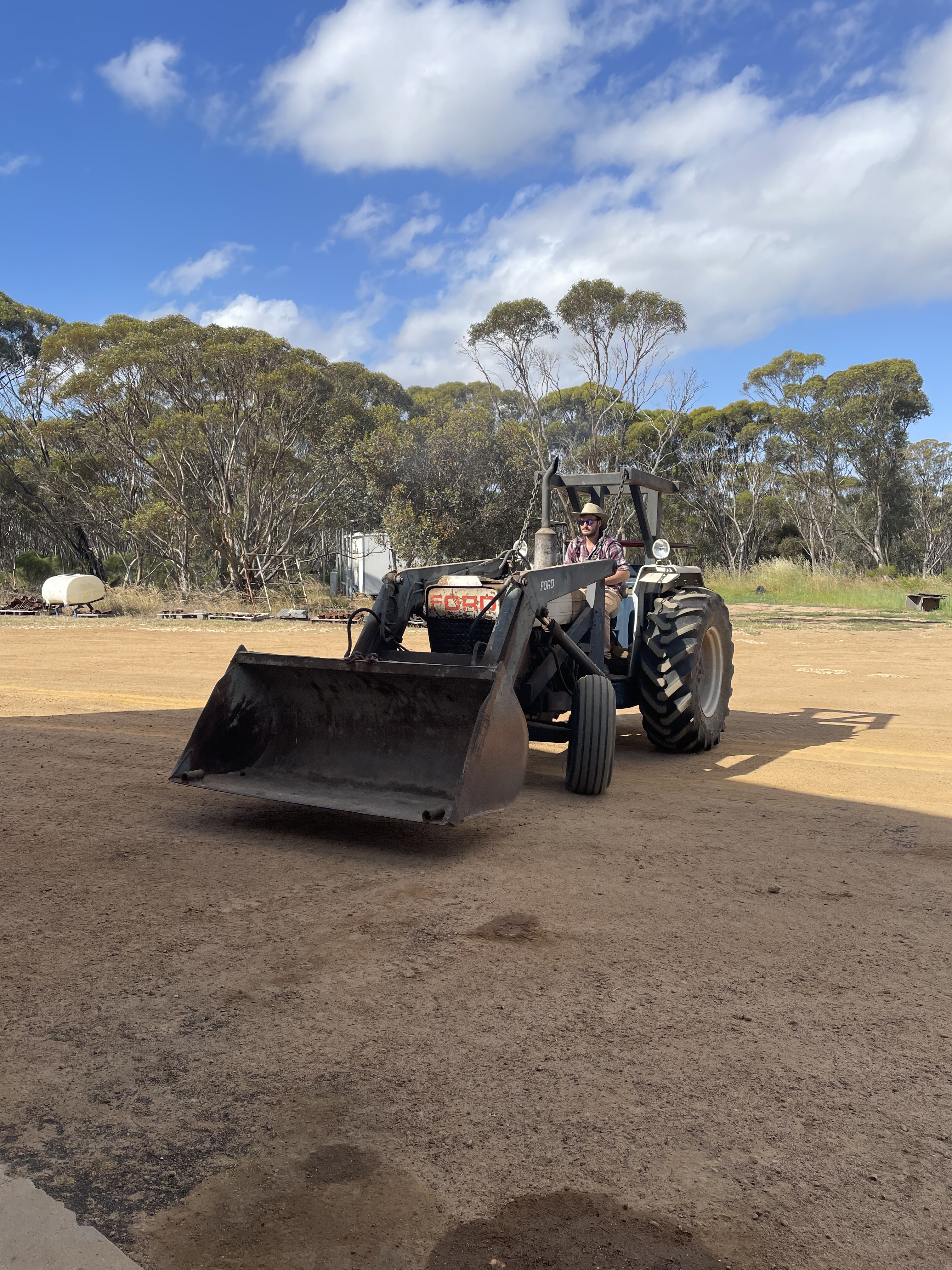
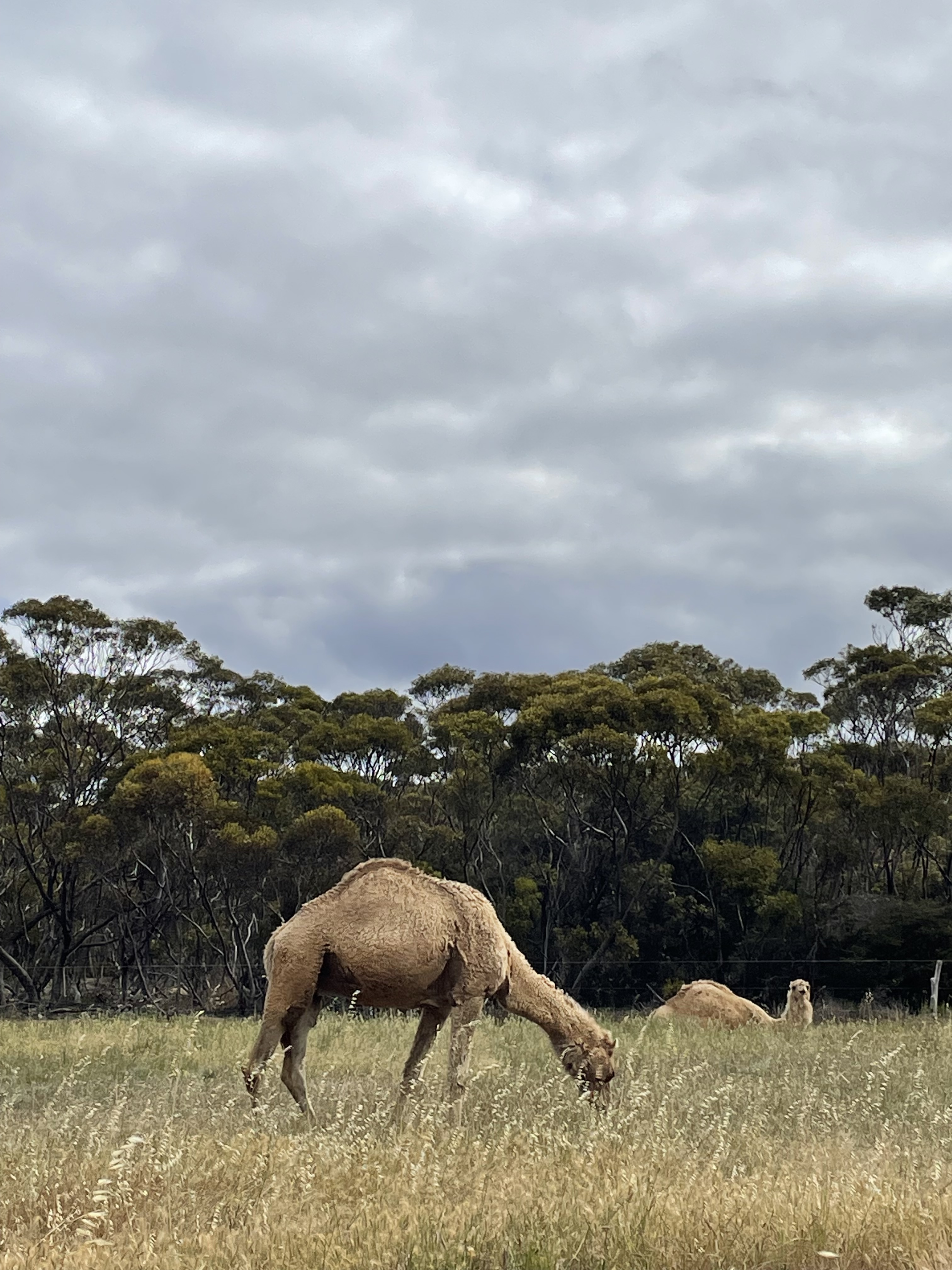
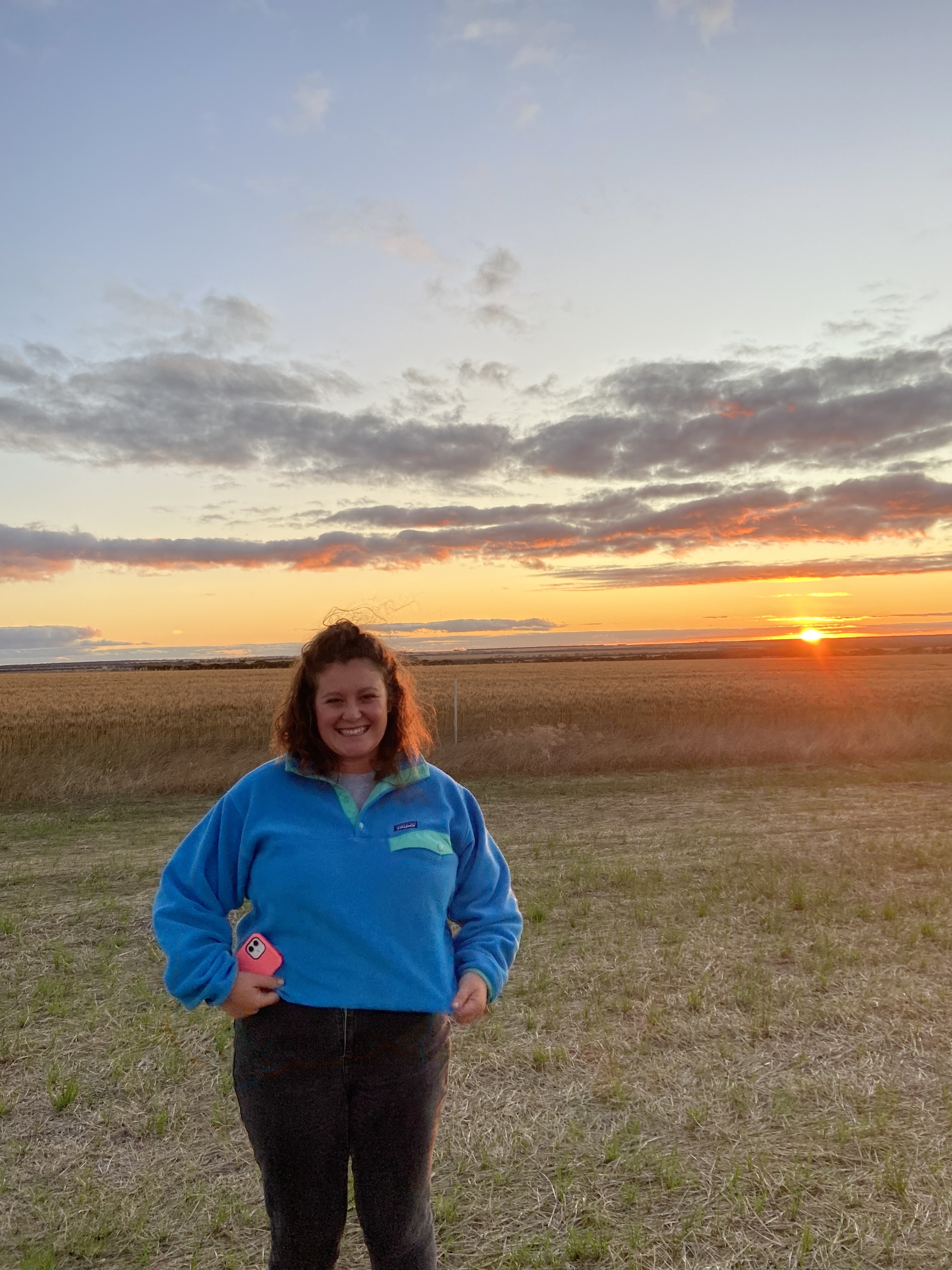
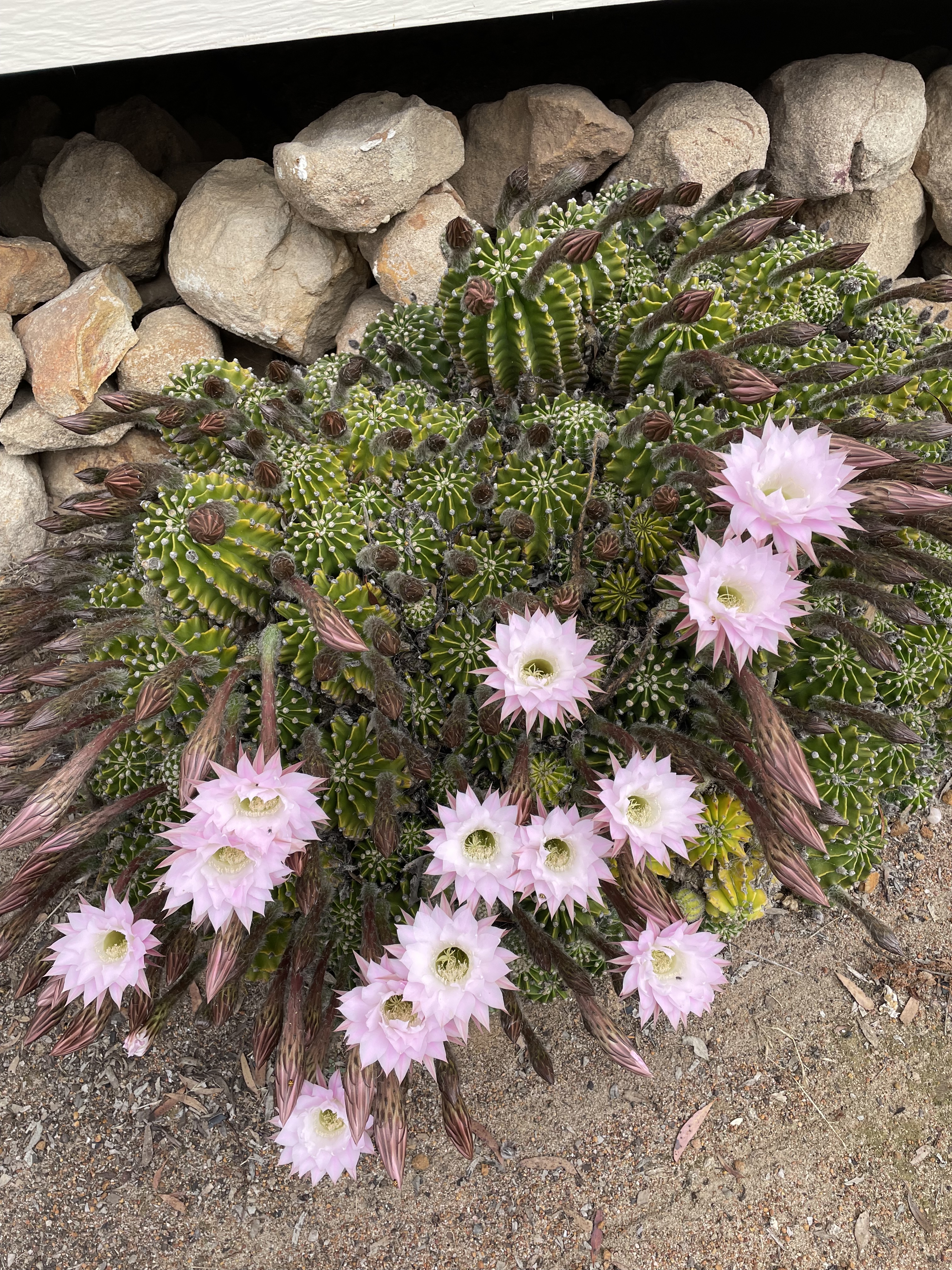
When we first arrived in the area it was clear that it was a beautiful part of the world. We were greeted with wide open fields surrounded by rugged bush, and a stunning array of wild flowers. The wildlife was stunning and it wasn’t uncommon to see groups of Kangaroos, Emus and Wedgetail Eagles. Ravensthorpe, although rather remote, had a pub, two servos, two decent grocery shops, post office, community centre and even a sweet shop. We made the trip to Hopetoun a couple of times, where the beaches were picture perfect, and it was nice to get out of the immediate area and explore. We even managed a weekend away in Albany where we visited Wignalls Wines which offers wine tastings and an opportunity to ask lots of questions about viticulture. We ate at a lovely Italian restaurant (Venice Pizza Bar and Restaurant) and had a few drinks in some pleasant local bars.



When we finally started harvest, James was one of two combine harvester drivers (this was on his bucket list so he was buzzing at the opportunity), and Daisie was driving a chaser bin. We went straight into the OSR and, after a few hours of training on our machines, we were both left to our jobs. We were happy to be harvesting, and were consistently working 70-90 hour weeks during November and December with no days off as the weather had finally come right. We were working hard but felt on top of the world. We were driving big kit, together in the outback- something we had dreamed of doing. Even the harvest dinners were amazing! We also had some talks with the bosses and decided to stay at the farm after harvest until the end of February to help with the tidy-up and grain cleaning. We had already been in talks with other employers for this period, but thought it would make more sense to stay in one spot.

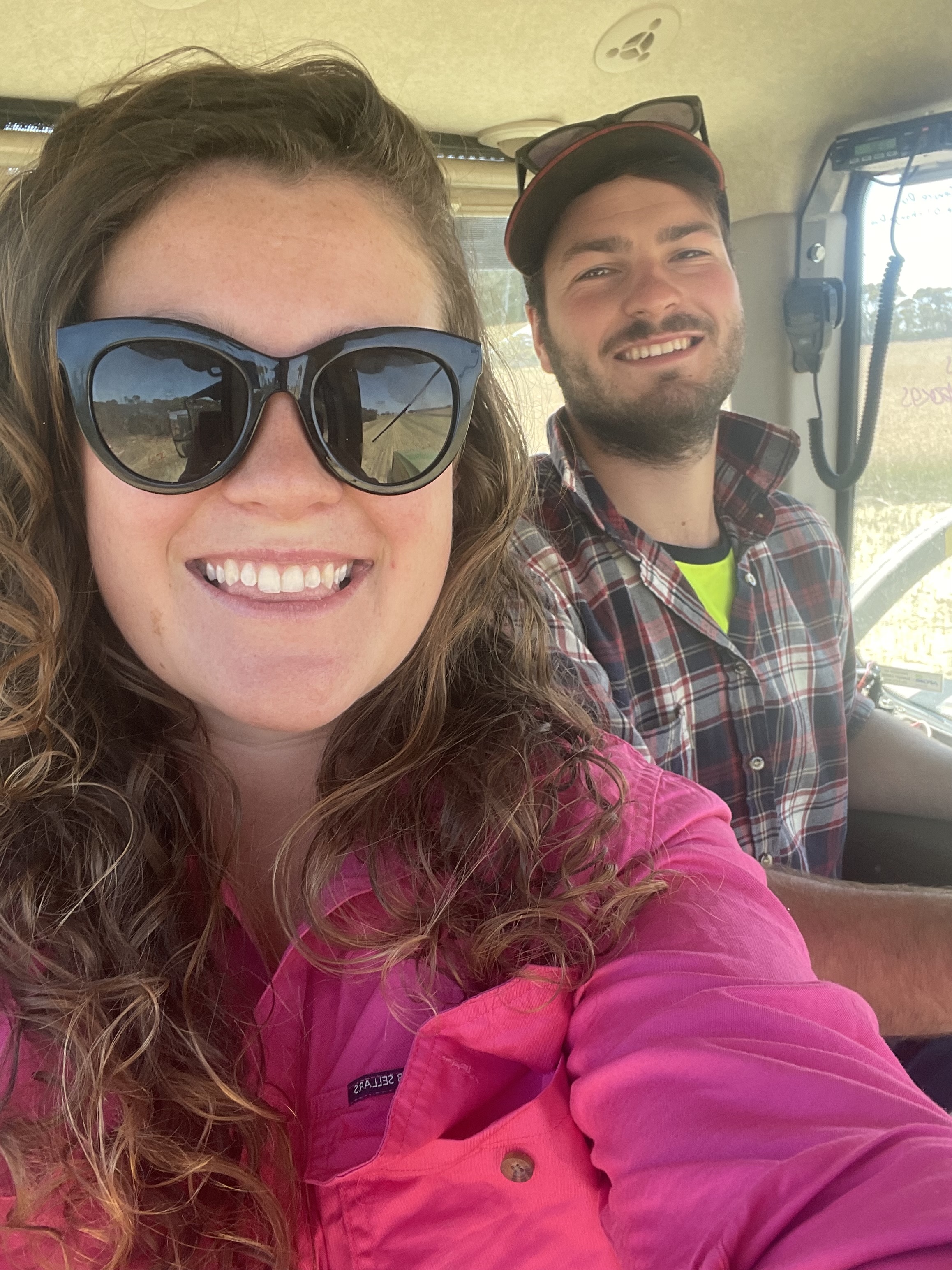
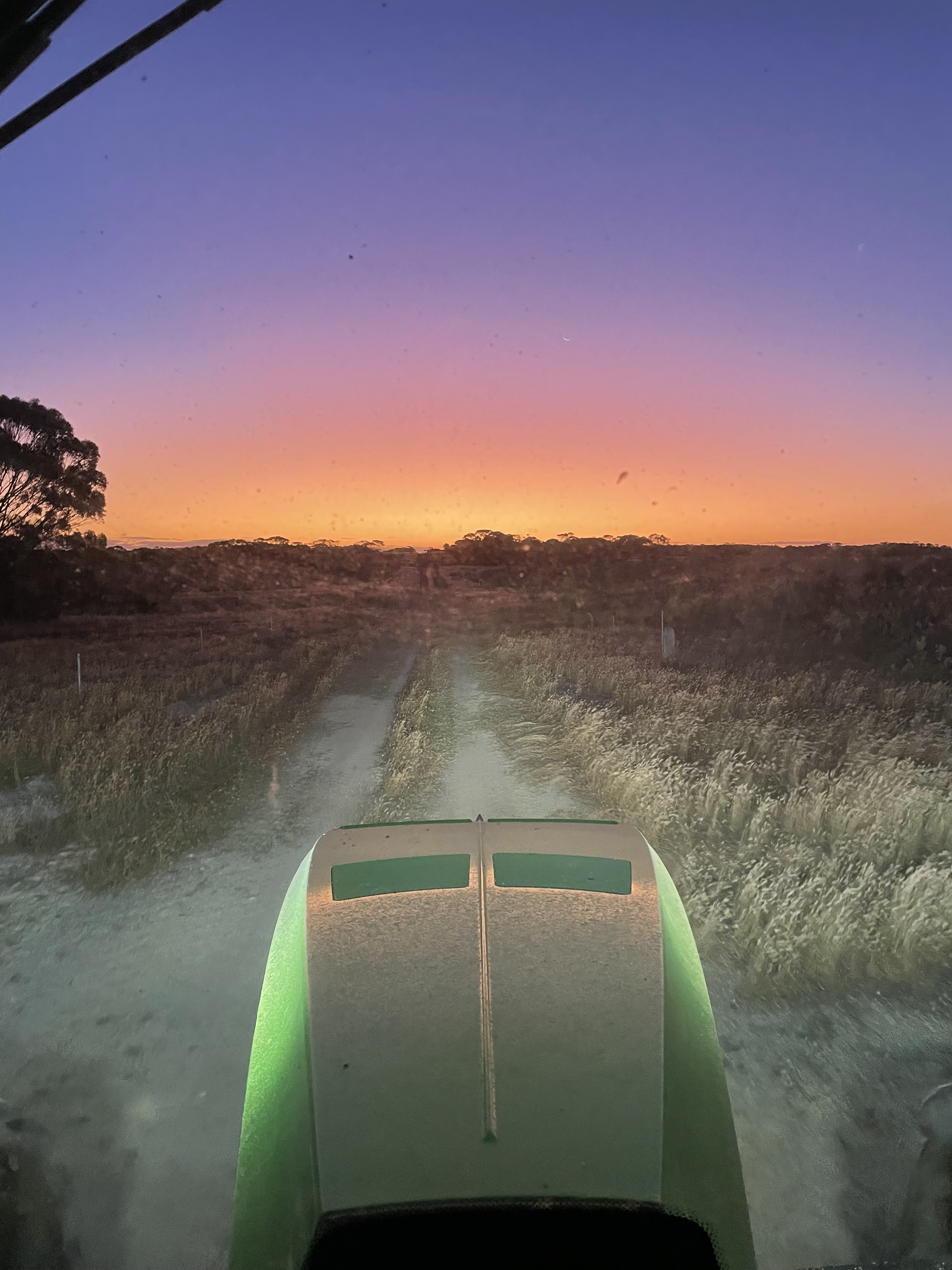
We finished the OSR on the 12th December, and then cracked on with the Wheat and Barley. By this point, some cracks had started to appear in the pretences of our job offer, for example, the male boss was very much in charge and was making all the decisions. In addition, since starting harvest, we had not had any variety in our roles. This was also when we decided to ask for the pay rise we had been promised, as we were still on $30 per hour.
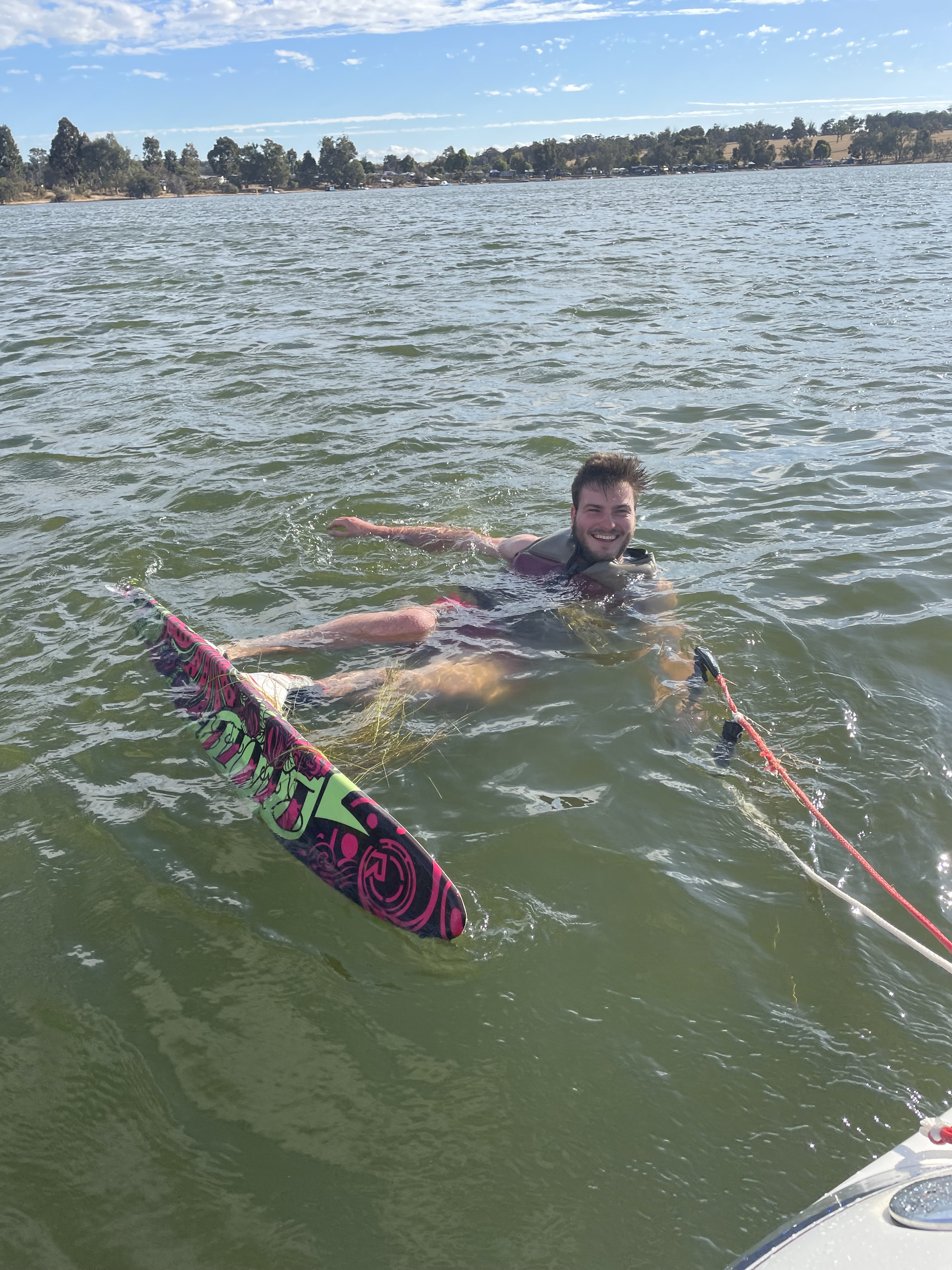
We didn’t hear back about our pay enquiry until after Christmas (despite a some light pressure on the topic from us). On Christmas Eve, we harvested up until midday, and then downed tools for Christmas. We were spending the day with the bosses’ family at Towerrining Lake, and then camped at the lake in a swag we had borrowed from the foreman. We had a brilliant day, and even had a go at water skiing (which we were not good at). It was pleasantly bizarre to us, though, to spend Christmas outdoors in the sunshine instead of our usual English experience of the bleak mid-winter.
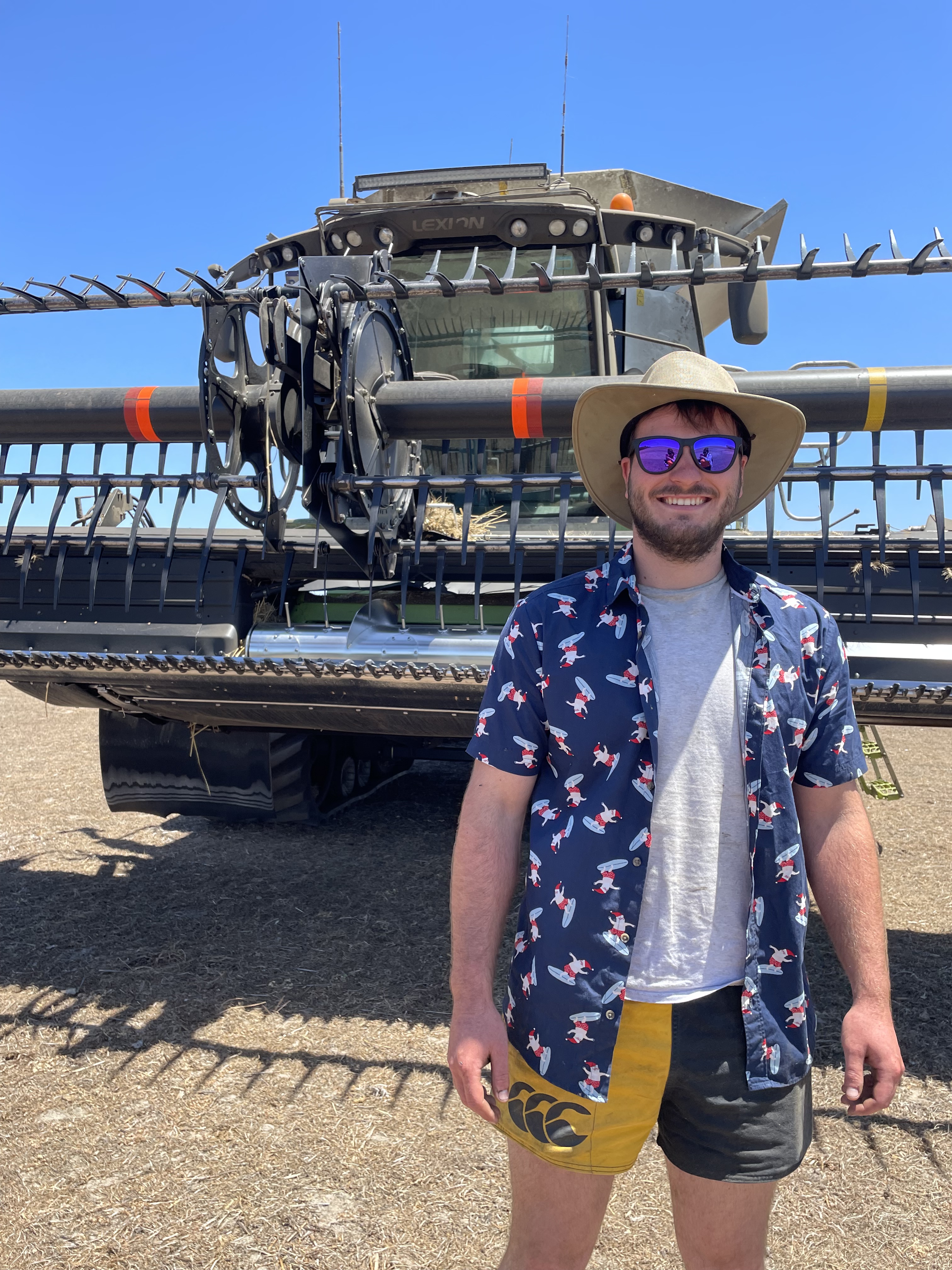


We got back to work on the 27th December, and once again broached the subject of pay. This is when the male boss told us that we could have a $1 per hour pay rise because we hadn’t been worth minimum wage when we started (before he had imparted his wisdom and training unto us) and so even if we were worth $35 per hour now, it all averaged out. To be clear, we had received only a few hours of training each and both had careers and degrees in agriculture before we went to Australia, and we had been told that we would be on $35 per hour within a couple of weeks of starting the job.
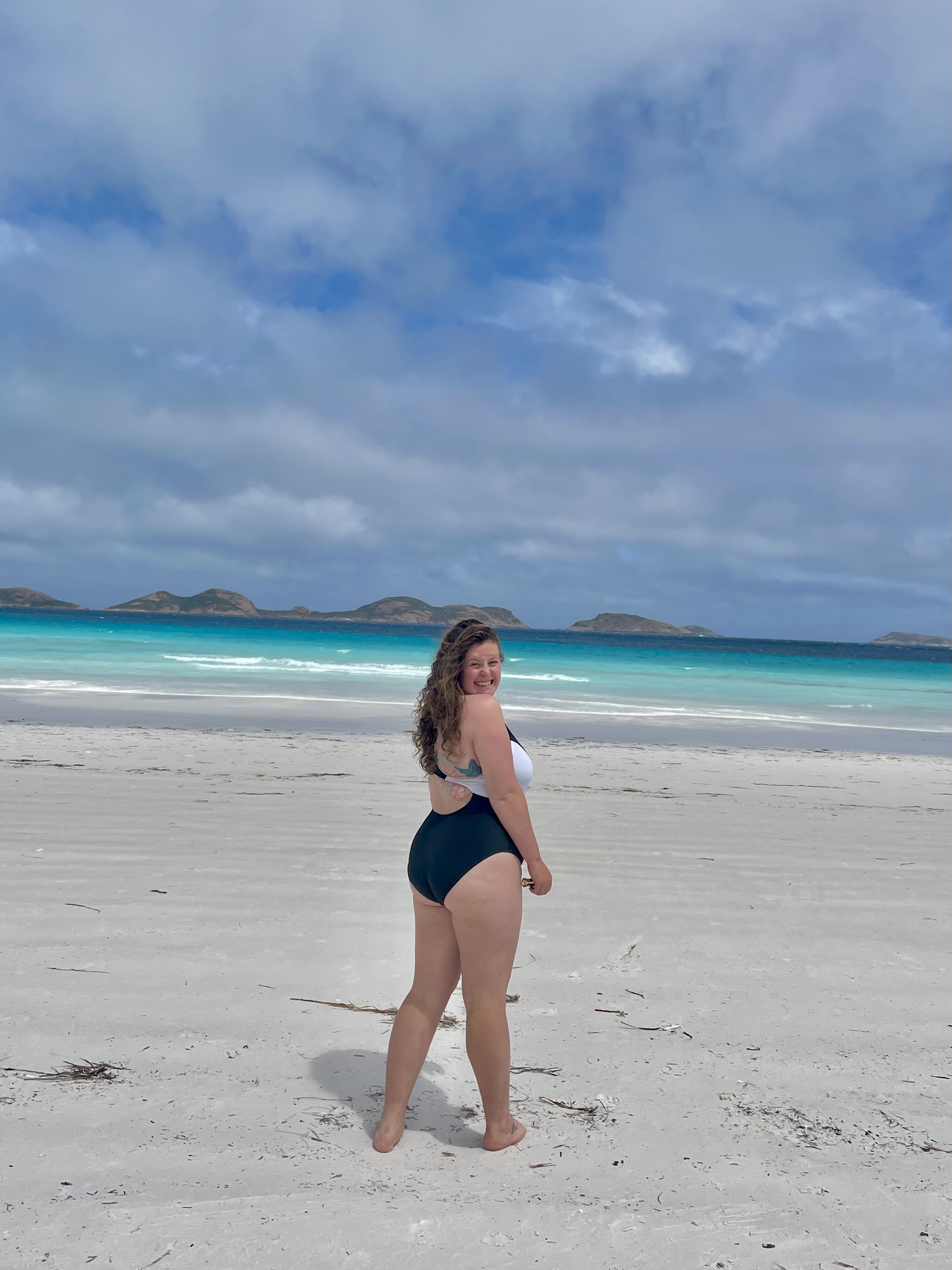
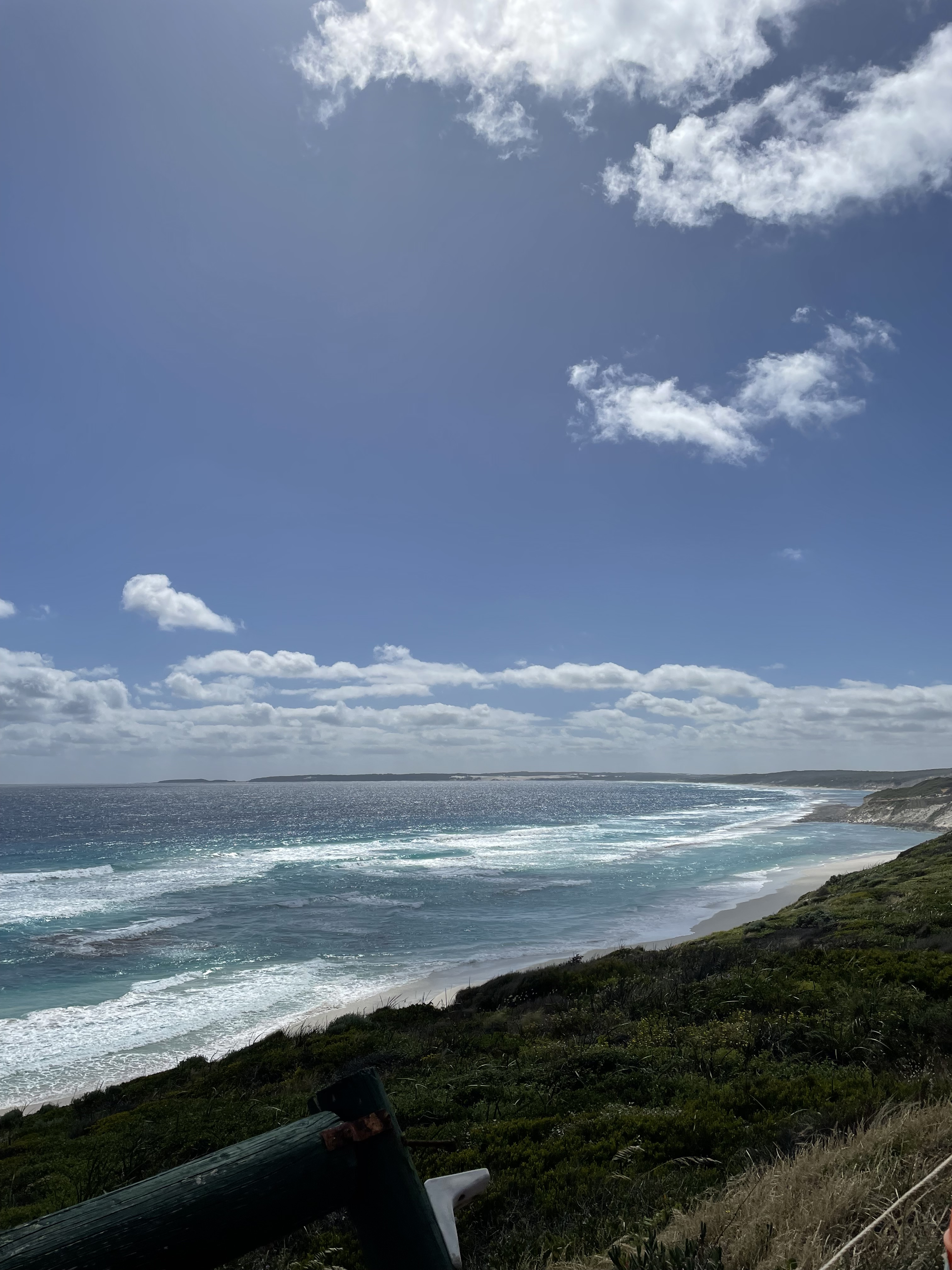
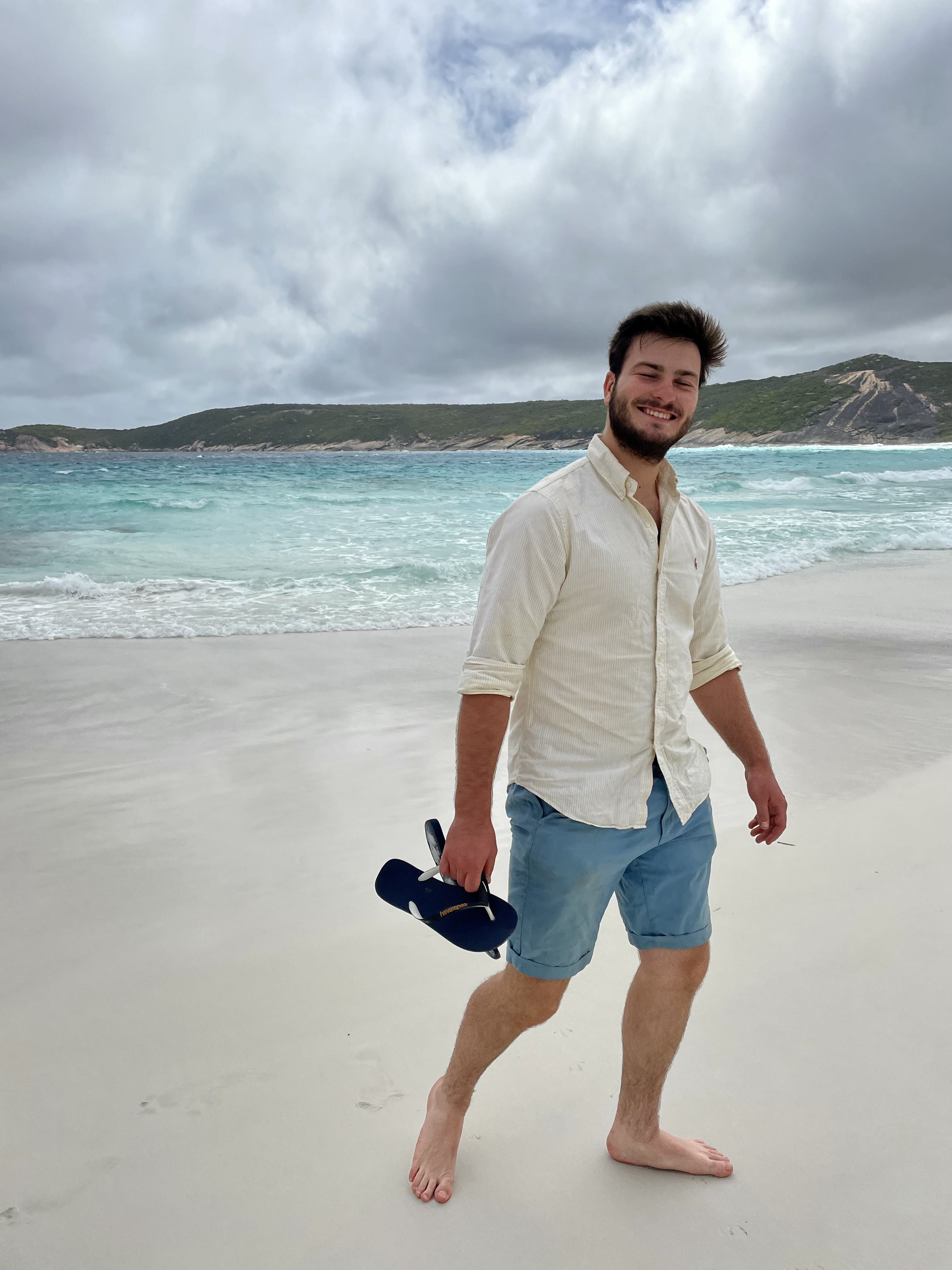
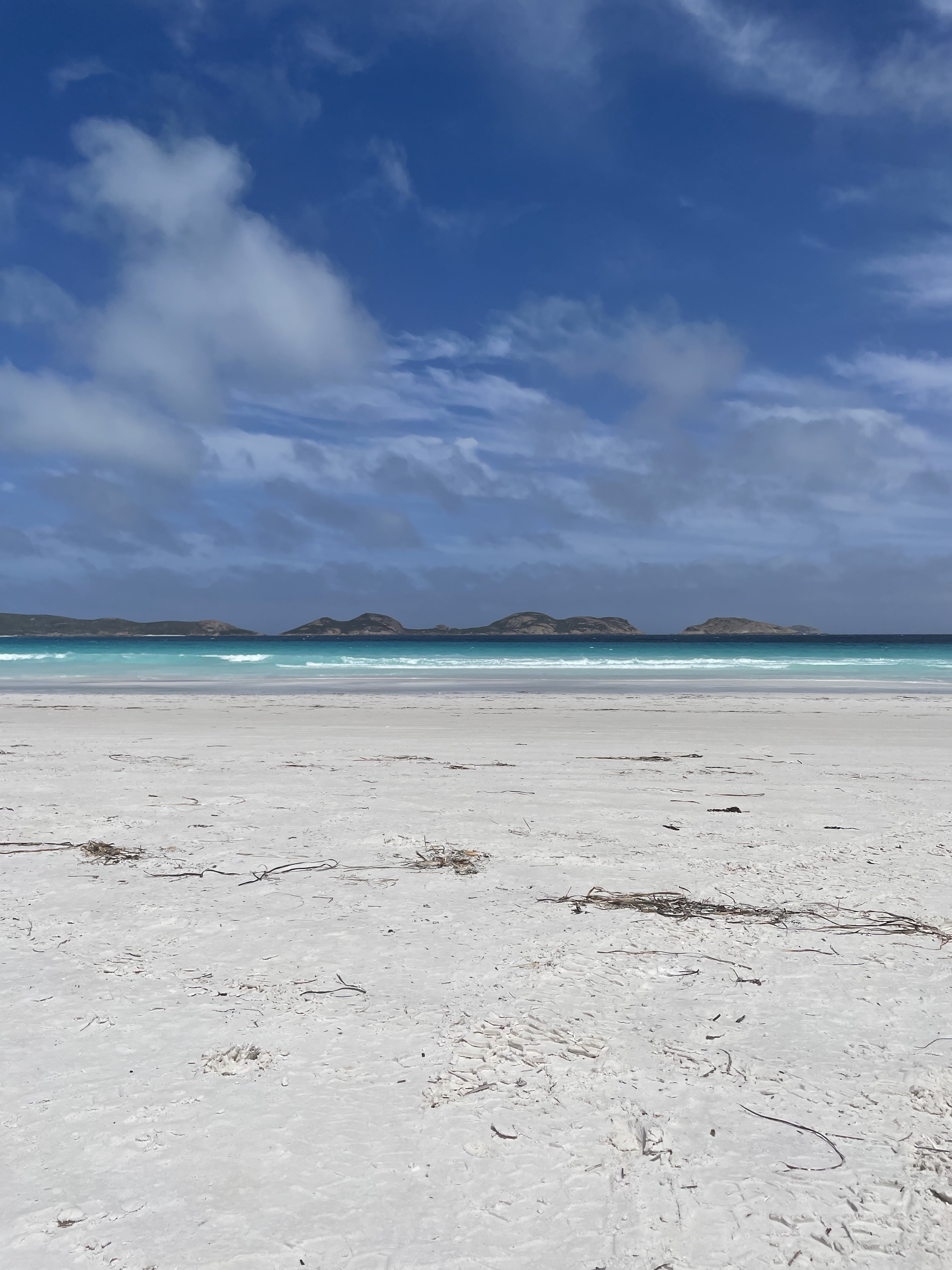
This same bloke became increasingly bad tempered as harvest dragged on. The farm usually aimed to be finished with harvest by New Year’s Eve, however the bumper crops meant that we would miss this deadline. We were given New Years Eve and New Years Day off work, during which time we explored Lucky Bay and Cape Le Grand National Park. This part of WA is absolutely beautiful and is worth the detour for any travellers heading in the direction of Esperance. We had a great couple of days surrounded by white beaches, blue skies and clear water.
When we returned to work on January 2nd, the male boss was in an even worse mood and even the two female bosses were starting to get grumpy- it had been a long harvest so far. Four days before the end of harvest, the bloke blew up in Daisie’s face over a very small problem that had been exasperated by poor communication and lack of sleep, and started screaming and swearing at her. He then did the same to James a few hours later when asked about it, and told us both “if we don’t like it we can f*** off”. One of the female bosses apologised on his behalf, and asked us please not to leave as they couldn’t finish harvest without us, so we compromised and stayed until harvest was finished. This whole episode lost us our potential earnings for the rest of January and February, and it was too late to find alternative employment for this period, so we lost out on a lot of money.
Despite this, we carried on working hard until the last of the wheat was harvested. We also made an effort to be civil with the bloke and to leave on good terms with the two female bosses. We gave the accommodation a good clean before we left, and completed an exit interview with one of the women, who was very apologetic about the bloke’s behaviour. She had previously assured us that she would write us a good reference, and in our exit interview she said she hadn’t been able to find the time but she would go straight to the office and email our references to us. We shook hands and parted amicably. Then when we were one hour down the road, we received a barrage of texts from the same woman about how disrespectful we had been, and how we would not be getting a reference. These texts continued for two days until we blocked her number.
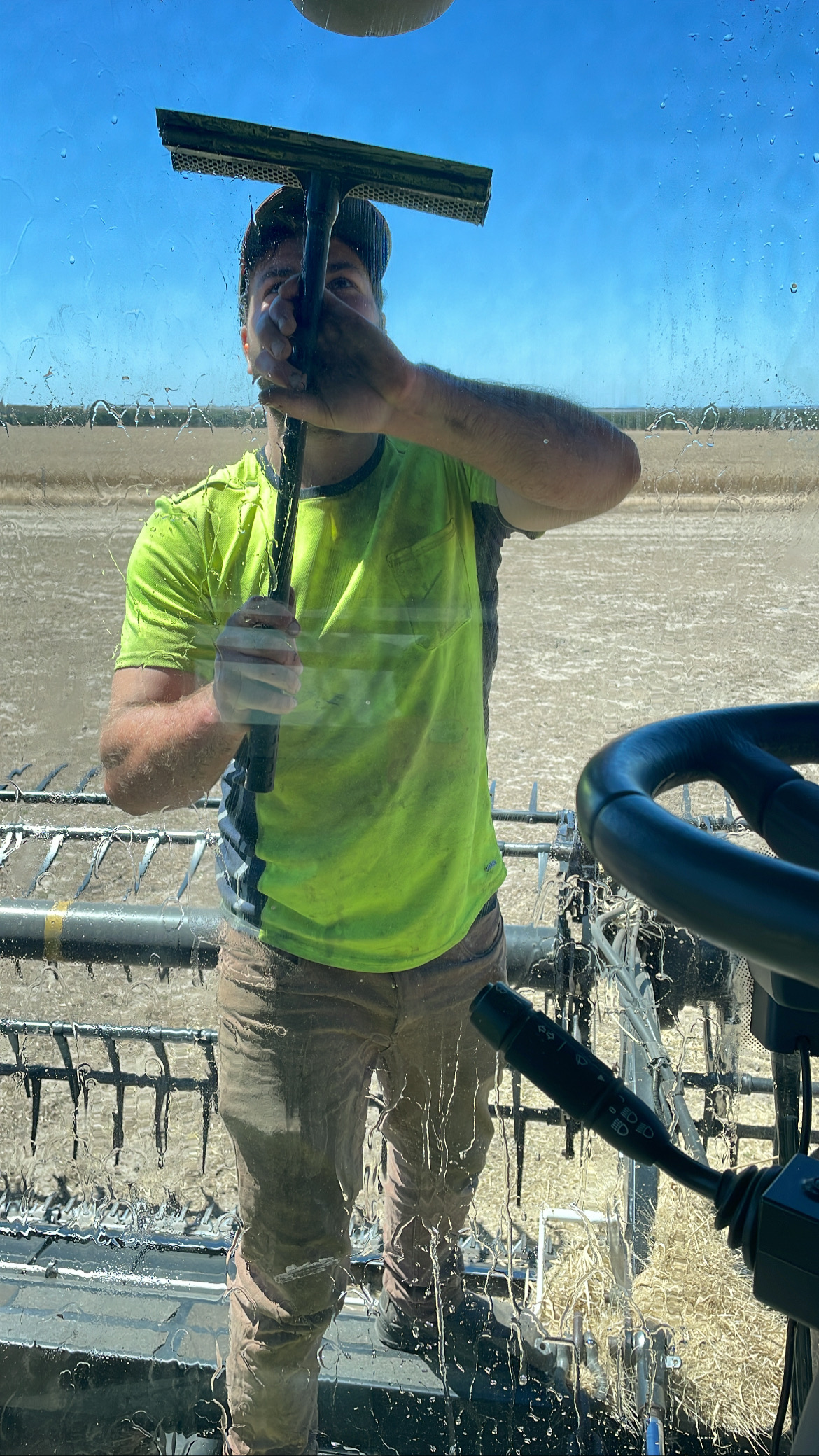
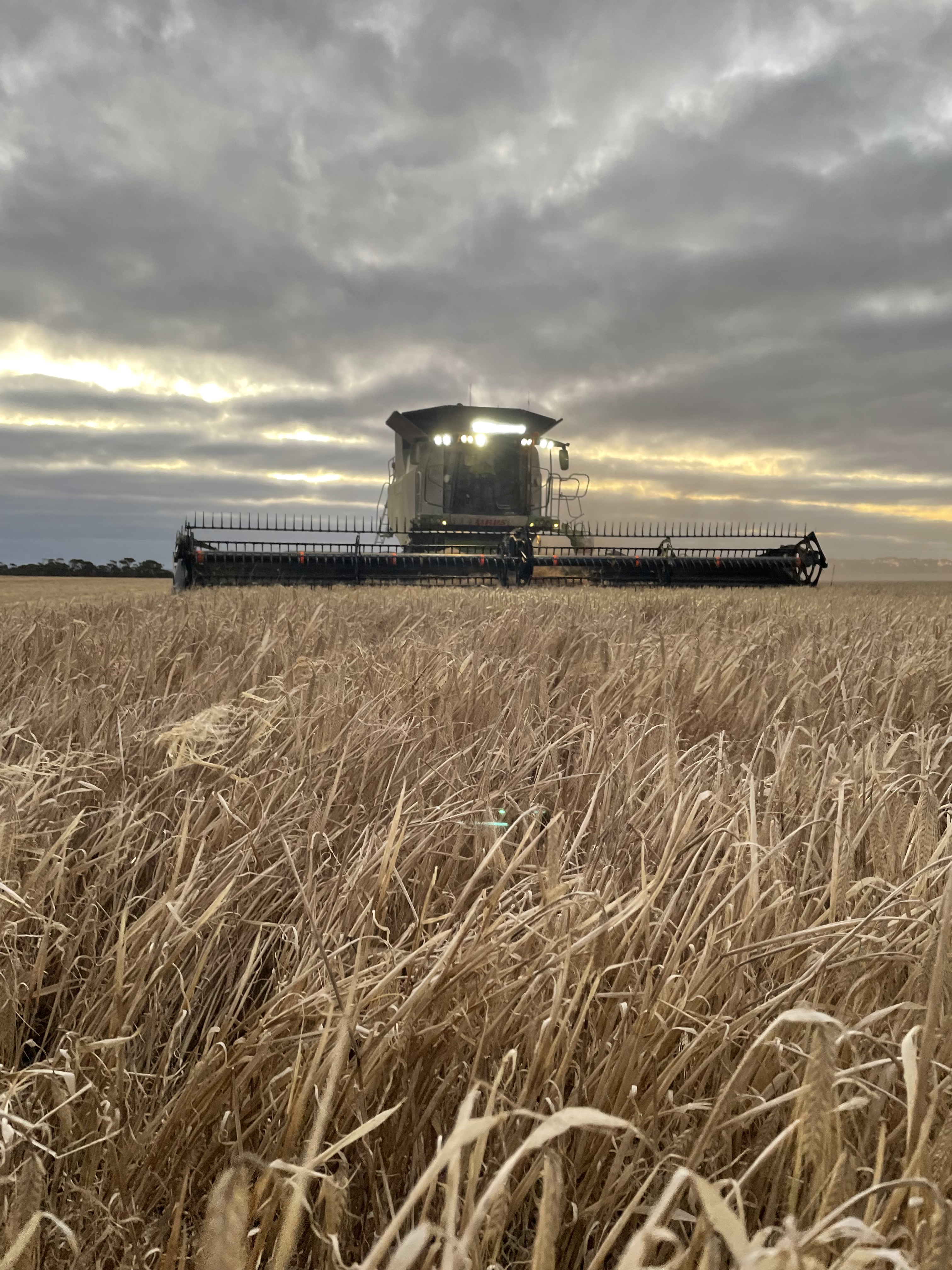
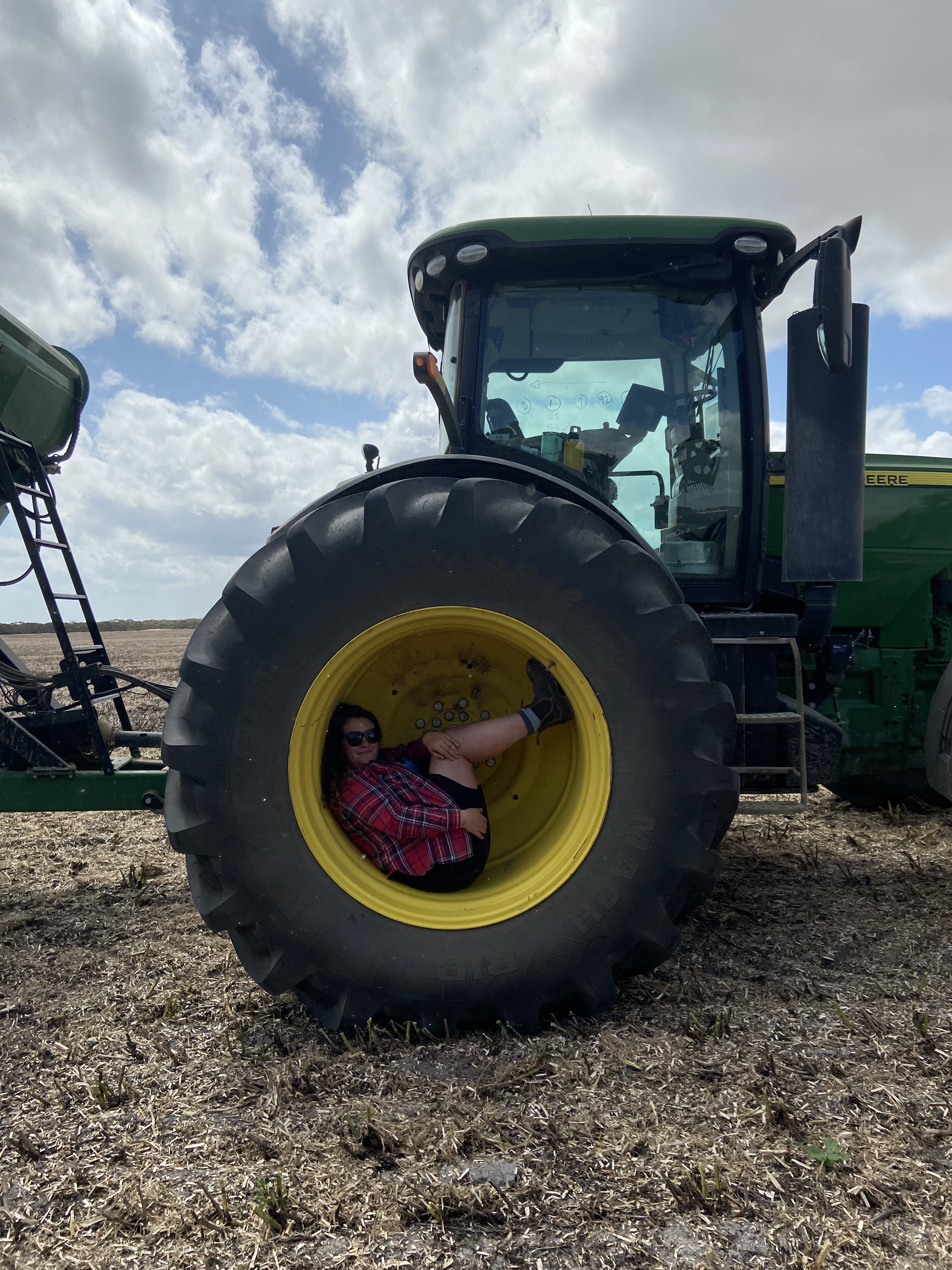
High Points:
- The accommodation- this was a very nice building with good facilities.
- Living the dream- this was high on a bucket list and we driving big kit together.
- The location- stunning.
- Locals- everyone we met away from the farm was very nice and keen for a chat.
- Spending Christmas at the lake, and NYE at Cape Le Grand.
Low points:
- The pay- we definitely could have got a better package elsewhere.
- The size of the team- if we do this again we will look for an employer with a bigger workforce for better socialising.
- Parting on bad terms.
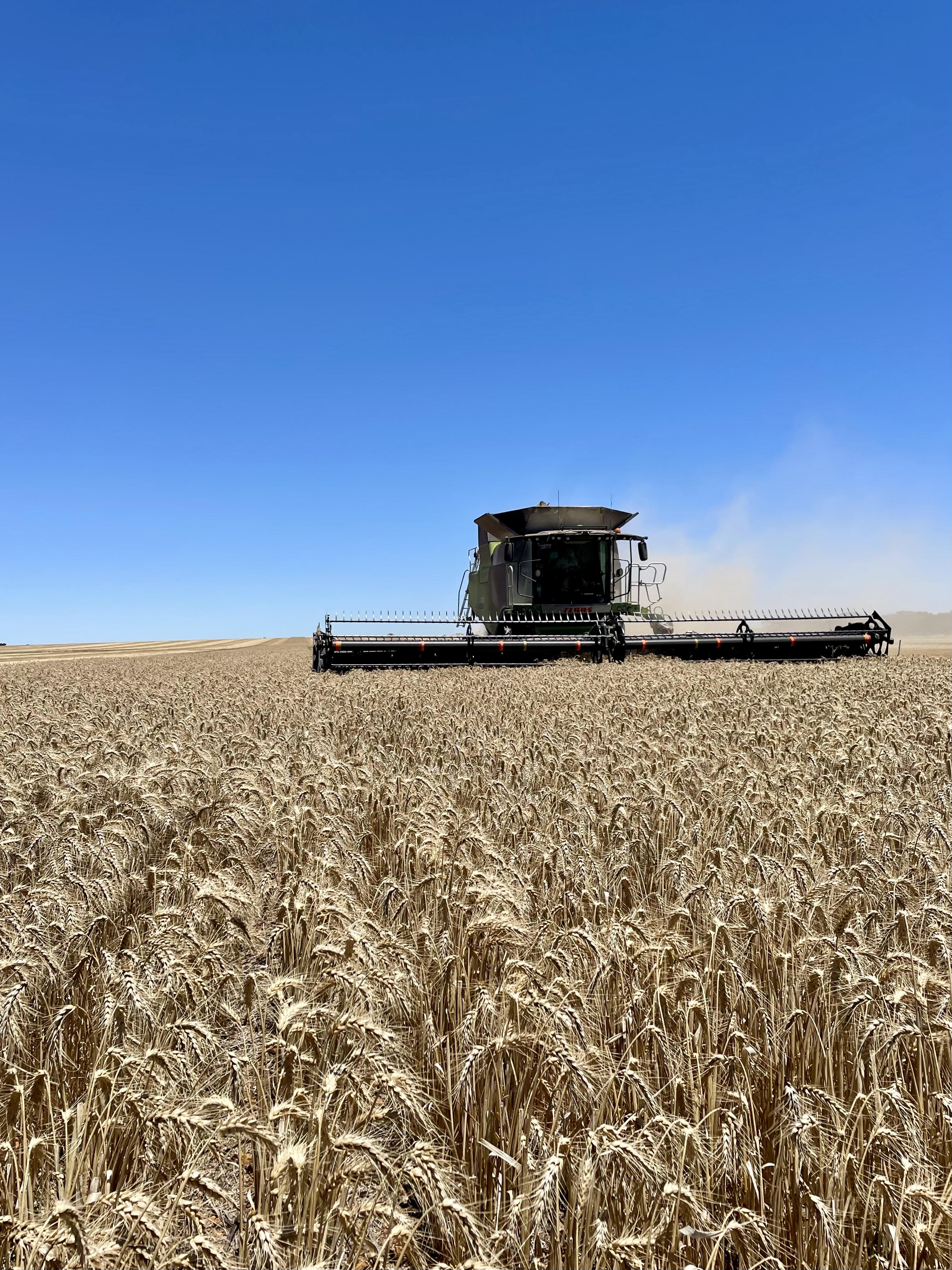
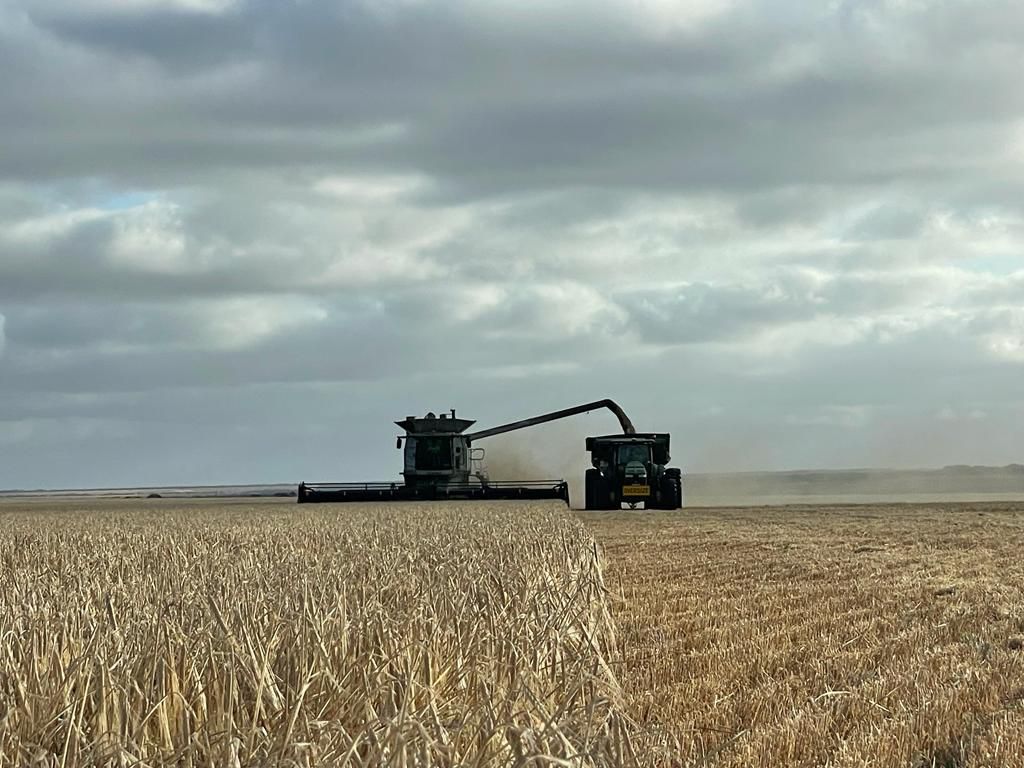
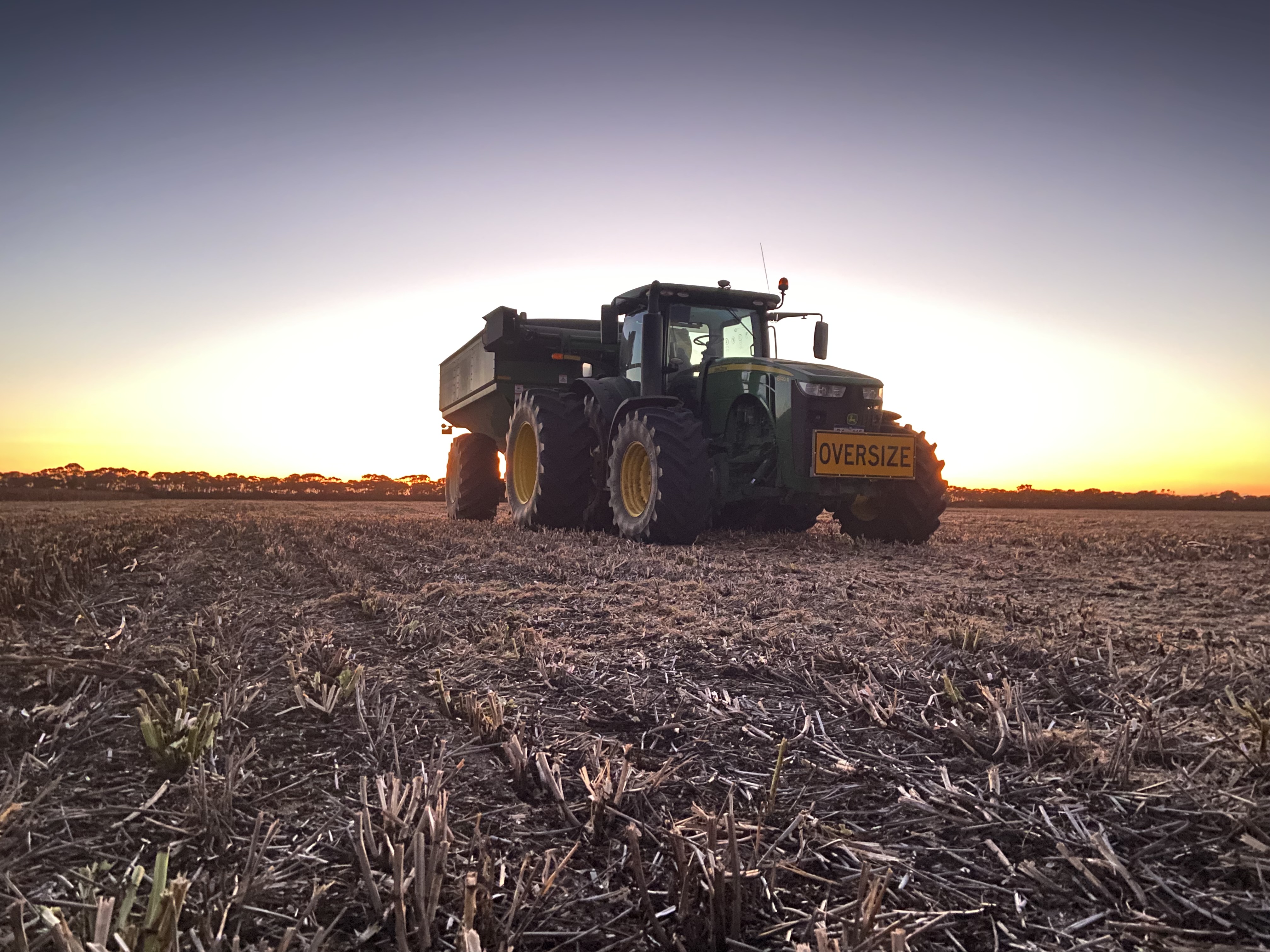
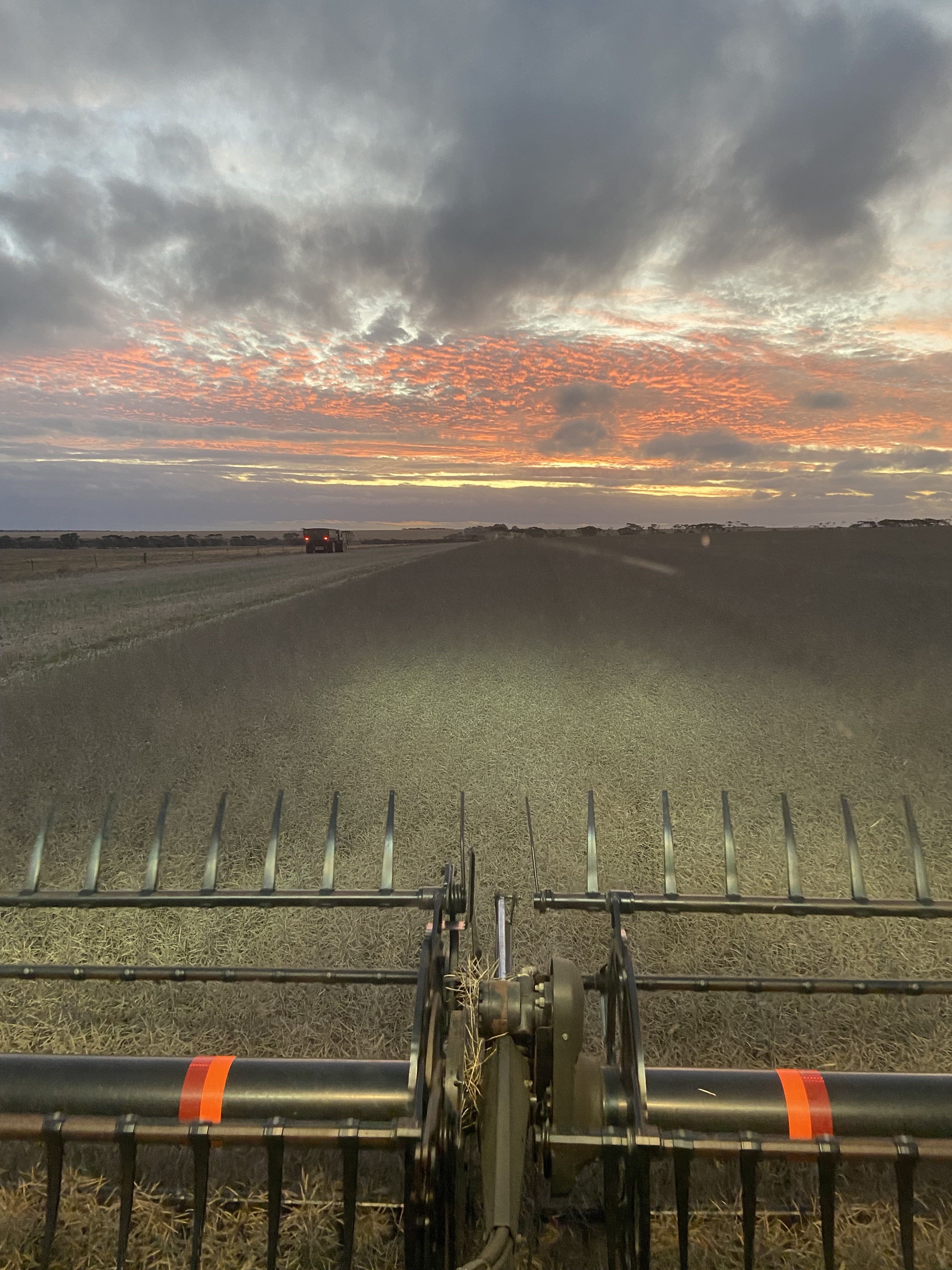
For our first two months in Ravensthorpe, we were living our best lives. We were driving big kit together in the Australian bush- that’s the dream! However, our employers had over promised and under delivered, and ended up ruining our experience. Our advice to people on a WHV looking for harvest work would be don’t settle for less than average pay, and don’t take employers at their word when they talk about probationary or starting packages. We would also suggest posting in a “Australia Harvest Work” or “WHV Jobs” Facebook group asking for recommendations on employers- people will only recommend good employers. These sort of jobs are a brilliant way to learn skills, meet people, and pocket a lot of money in a short space of time, and there are a lot of good employers looking for good staff.
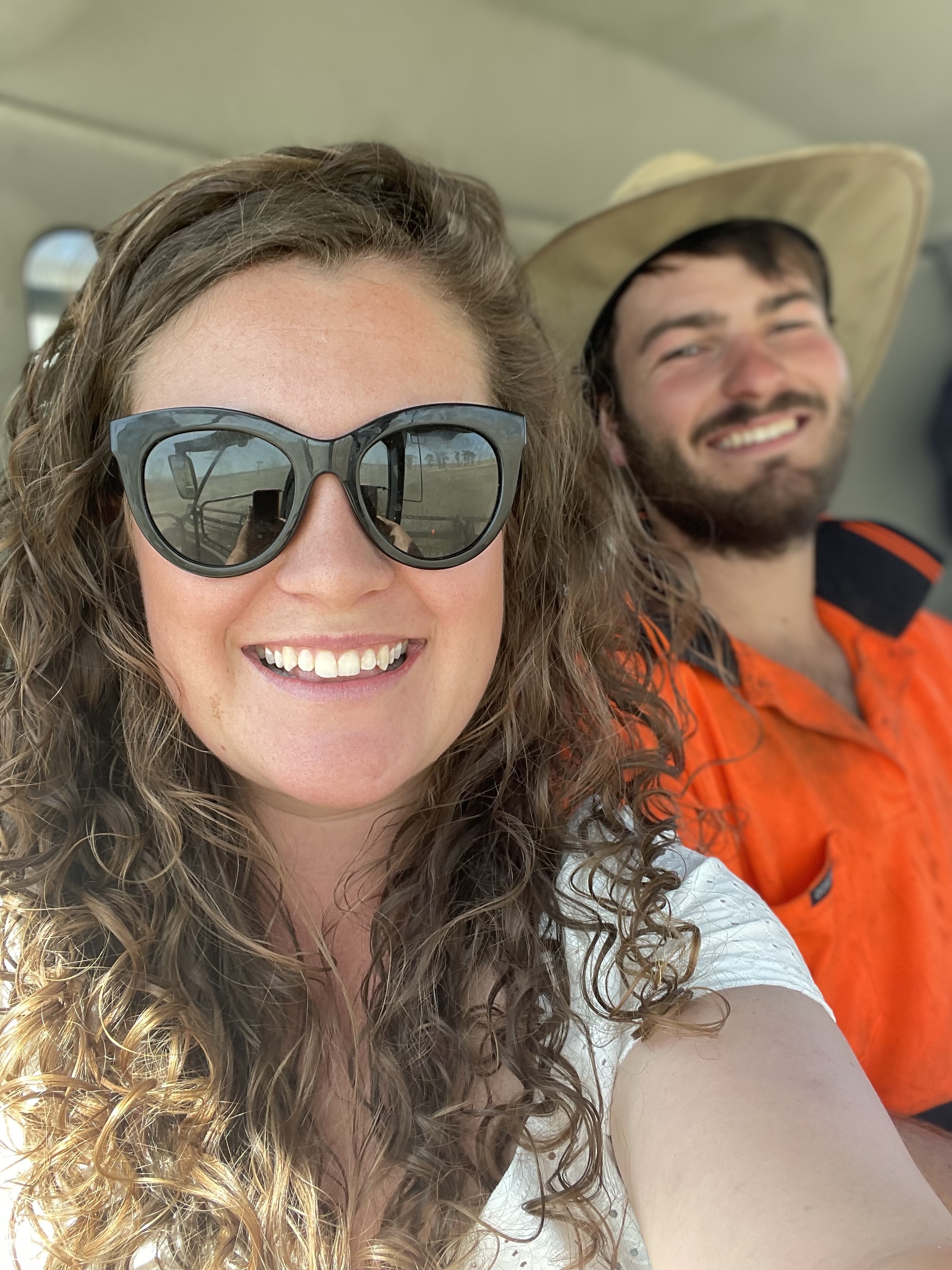


 The Gap Life